Search this site
Results found for empty search
- Clever Creatures: The Animals That Solve Puzzles Just for Fun | Level Up English Club
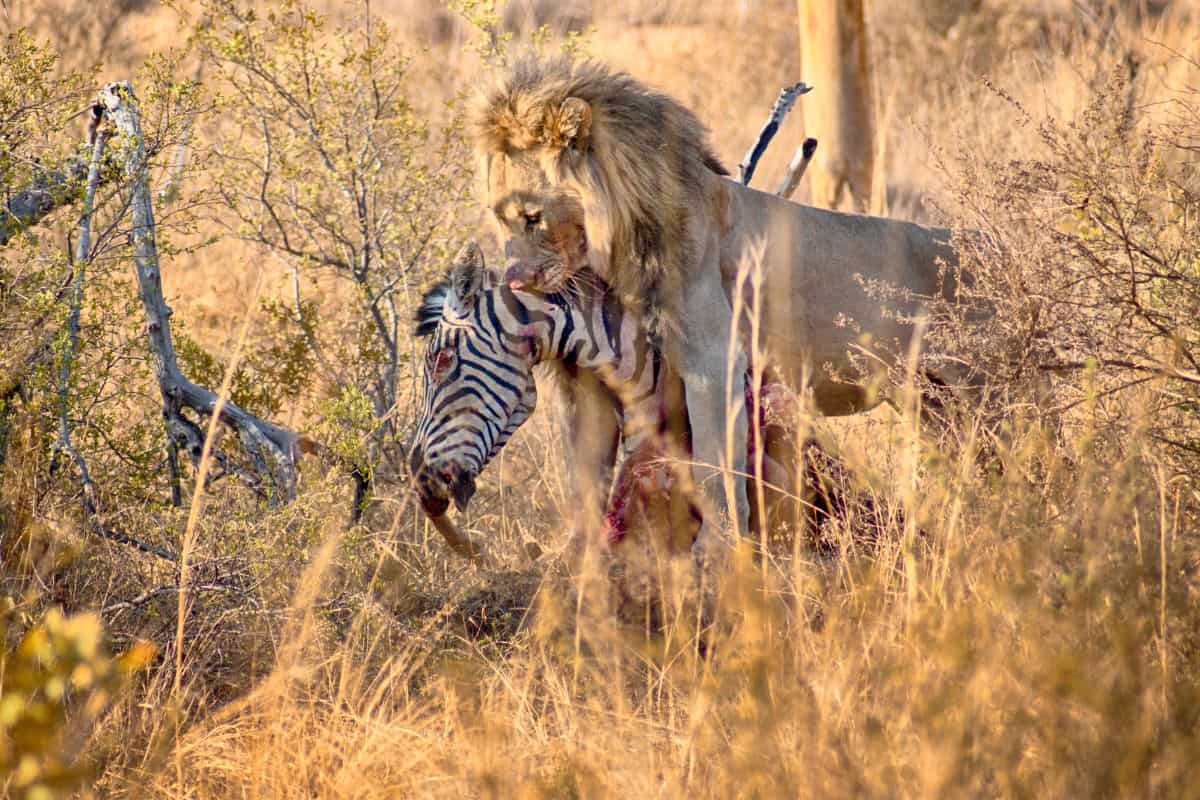
Join our Kids small group Speaking Classes to bring these and other topics to life Book a Free Trial < KIDS NEWS Animals & Environment Next Select a Level Level 1 Level 2 Level 3 Level 4 NEW 13 Oct 2026 Clever Creatures: The Animals That Solve Puzzles Just for Fun Warm-up → Read & Listen → Check Understanding → Language → Use It WARM UP Section: Warm Up Think Ahead: Which detail do you think appears in this story? a) A raccoon opens a box with a sweet treat inside. b) A cat finds a toy under a bed. c) A horse runs in a big race. Ask: (1) Do you like puzzles? (2) Which animal do you think is very clever? VOCABULARY puzzle (/ˈpʌz.əl/ , noun) Meaning: A fun problem or game that you think about to solve. Example: I do a puzzle with my brother after school. box (/bɒks/ , noun) Meaning: A thing with sides and a lid. You can put things inside it. Example: My crayons are in a red box. treat (/triːt/ , noun) Meaning: A special food that you like, often something sweet. Example: I get a treat on my birthday. curious (/ˈkjʊə.ri.əs/ , adjective) Meaning: Wanting to know more about something. Example: My puppy is curious about the new ball. arm (/ɑːm/ , noun) Meaning: A long part of the body. You have two. An octopus has eight. Example: I wave my arm to say hello. clever (/ˈklev.ə/ , adjective) Meaning: Good at thinking and learning things quickly. Example: My clever friend can count to one hundred. stick (/stɪk/ , noun) Meaning: A long, thin piece of wood from a tree. Example: The dog is running with a big stick. stone (/stəʊn/ , noun) Meaning: A small, hard piece of rock. Example: I find a smooth grey stone in the park. Some animals love puzzles. A puzzle is a fun problem. Scientists are watching clever animals. What are the animals doing? Raccoons are small grey animals. They have black masks on their faces. Scientists give them a clear box. A sweet treat is inside the box. The raccoons open the box and eat the treat. Then they open the box again and again! They are curious. They think puzzles are fun. Chimpanzees like puzzles too. They push things through long pipes with a stick. Sometimes there is no food. They play anyway! Octopuses live in the sea. They have eight long arms. An octopus pulls a small box through a hole. Inside the box is a piece of shrimp. Crows are black birds. They are very clever. A crow takes a small stick. It gets three stones with the stick. It drops the stones into a box. Now it has a long stick. It uses the long stick to get food. Wow! Elephants open puzzle boxes with their long noses too. Which animal is your favourite puzzle champion? Share Lesson DISCUSSION QUESTIONS Section 8: Discussion Questions 1. Do you like puzzles? 2. Which animal in the story do you like best? Why? 3. What is your favourite treat? 4. Do you know another clever animal? 5. Is a puzzle fun or hard for you? BACK TO TOP Unlock All Lessons ($3.99/mo) 🚀 Want more exercises and a worksheet pdf? This content is for premium subscribers and tuition parents only! Subscribe for $3.99/mo to unlock. FILL IN THE GAPS FILL THE GAPS Section 1: Fill in the Gaps Read the text. Use the words in the Word Bank to fill in the gaps. Word Bank: stones | clever | treat | arms Some animals love puzzles. A puzzle is a fun problem. Scientists are watching clever animals. What are the animals doing? Raccoons are small grey animals. They have black masks on their faces. Scientists give them a clear box. A sweet _______(1) is inside the box. The raccoons open the box and eat the treat. Then they open the box again and again! They are curious. They think puzzles are fun. Chimpanzees like puzzles too. They push things through long pipes with a stick. Sometimes there is no food. They play anyway! Octopuses live in the sea. They have eight long _______(2). An octopus pulls a small box through a hole. Inside the box is a piece of shrimp. Crows are black birds. They are very _______(3). A crow takes a small stick. It gets three _______(4) with the stick. It drops the stones into a box. Now it has a long stick. It uses the long stick to get food. Wow! Elephants open puzzle boxes with their long noses too. Which animal is your favourite puzzle champion? Section 2: Main Idea What is the main idea of the story? Choose the best answer. a) Some animals are clever and like solving puzzles. b) Raccoons live in the sea with octopuses. c) Crows do not like food or sticks. UNDERSTANDING Section 3: True or False Read the sentences. Circle T (true) or F (false). 1. Raccoons have black masks on their faces. T/F 2. Octopuses have six arms. T/F 3. The crow uses a long stick to get food. T/F Section 4: Put Events in Order Write 1, 2 or 3 to put the events in the correct order. ___ The crow drops the stones into a box. ___ The crow gets three stones with a small stick. ___ The crow uses the long stick to get food. LANGUAGE Section 5: Vocab Match 1. puzzle 2. treat 3. arm 4. stick 5. stone a) a small, hard piece of rock b) a long, thin piece of wood c) a fun problem to solve d) a long part of the body (an octopus has eight) e) a sweet food you like USE IT Section 6: Discussion Builder Choose the best word or phrase to complete each sentence. 1. I think the crow is clever ______ it uses sticks. a) because b) but c) or 2. Raccoons ______ puzzles. They are fun! a) like b) likes c) liking Section 7: Sentence Unscramble Put the parts in the correct order to make a sentence. 1. A) a B) treat C) eat D) Raccoons E) sweet ______________________________________________ 2. A) have B) arms C) Octopuses D) long E) eight ______________________________________________ SHOW ANSWERS BACK TO TOP ANSWER KEY Answer Key Warm Up a) A raccoon opens a box with a sweet treat inside. Ask questions: answers will vary. Section 1: Fill in the Gaps (1) treat (2) arms (3) clever (4) stones Section 2: Main Idea a) Some animals are clever and like solving puzzles. Section 3: True or False 1. True 2. False (they have eight arms) 3. True Section 4: Put Events in Order 2, 1, 3 (first it gets three stones, then it drops the stones into a box, then it uses the long stick to get food) Section 5: Vocab Match 1 – c, 2 – e, 3 – d, 4 – b, 5 – a Section 6: Discussion Builder 1. a) because 2. a) like Section 7: Sentence Unscramble 1. D, C, A, E, B – Raccoons eat a sweet treat. 2. C, A, E, D, B – Octopuses have eight long arms. Section 8: Discussion Questions Answers will vary. Encourage students to answer in full sentences and give reasons using ideas from the article. BACK TO TOP Suggest Feature Report an Error Close Thank you for your feedback! SUBMIT Report an error
- Could Spider-Man Really Switch Off His Superpowers? | Level Up English Club
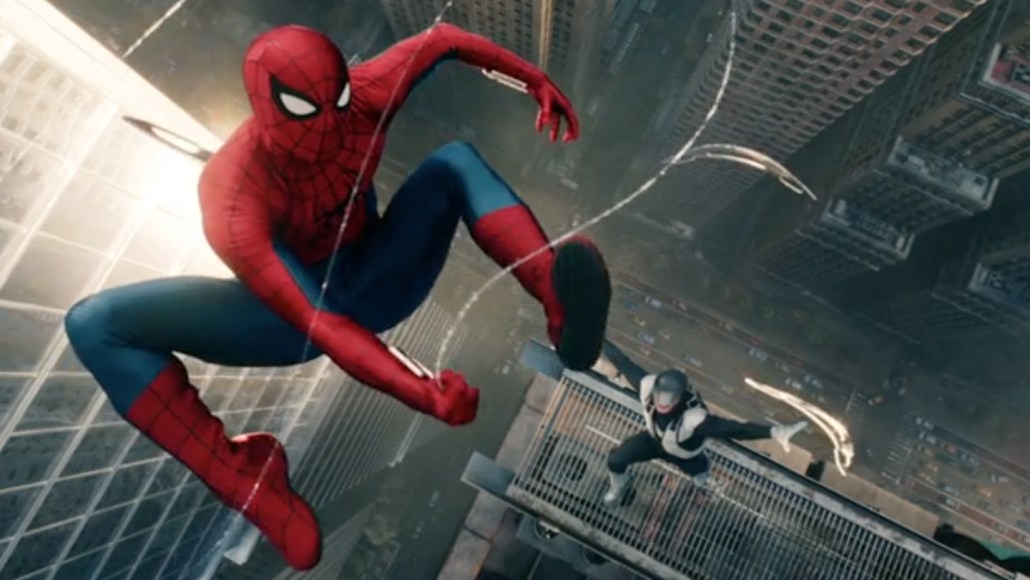
Join our Kids small group Speaking Classes to bring these and other topics to life Book a Free Trial < KIDS NEWS Science & Technology Next Select a Level Level 1 Level 2 Level 3 Level 4 NEW 13 Oct 2026 Could Spider-Man Really Switch Off His Superpowers? Warm-up → Read & Listen → Check Understanding → Language → Use It WARM UP Section: Warm Up Think Ahead: Which detail do you think appears in this story? a) Spider-Man wants to stop some of his powers. b) Spider-Man gets a new red car. c) Spider-Man moves to a new city. Ask: (1) Who is your favourite superhero? Why? (2) Which superpower do you want? Why? VOCABULARY superhero (/ˈsuːpəhɪərəʊ/ , noun) Meaning: A person in stories who has special powers and helps people. Example: My favourite superhero can fly over the city. spider (/ˈspaɪdə/ , noun) Meaning: A small animal with eight legs that makes webs. Example: A little spider is sitting on my window. machine (/məˈʃiːn/ , noun) Meaning: A thing with parts that does a job for you. Example: My mum has a machine for washing clothes. gene (/dʒiːn/ , noun) Meaning: A tiny instruction inside your body. Genes make you look like your family. Example: I have brown eyes because of my genes. cell (/sel/ , noun) Meaning: A very, very small part of a living thing. Your body has millions of cells. Example: We look at a leaf cell in science class. illness (/ˈɪlnəs/ , noun) Meaning: When your body is not well. Example: My brother has an illness, so he is at home today. sticky (/ˈstɪki/ , adjective) Meaning: When something sticks to things, like glue or honey. Example: My fingers are sticky after I eat jam. Spider-Man is a famous superhero. His real name is Peter Parker. In a new film, Peter has a big problem. Spider DNA is changing his body. He feels ill and strange. He wants to stop some of his powers. Peter visits his friend Bruce Banner. Bruce sometimes turns into the Hulk. Bruce has a special machine. It stops his Hulk powers. Peter wants a machine like this. Is this idea real? Yes, a little! Our bodies have genes. Genes are like tiny instructions. They tell our cells what to make. Scientists make tiny helpers. Their name is siRNA. These helpers switch off some genes. Doctors use them for some illnesses. But it is not easy. Peter has many spider powers. He makes sticky webs. He hears and smells too much. Different genes control these powers. So he needs many different helpers. The helpers also stay in the body for a long time. Peter wants his powers back fast. Scientists are still working on this. Share Lesson DISCUSSION QUESTIONS Section 8: Discussion Questions 1. Do you like Spider-Man? Why or why not? 2. Which spider power do you like best? 3. Is Peter happy or sad in the story? Why? 4. Do you want a machine to switch off your powers? Why? 5. What is a good superpower for school? BACK TO TOP Unlock All Lessons ($3.99/mo) 🚀 Want more exercises and a worksheet pdf? This content is for premium subscribers and tuition parents only! Subscribe for $3.99/mo to unlock. FILL IN THE GAPS FILL THE GAPS Section 1: Fill in the Gaps Word Bank: genes / sticky / superhero / machine Read the article and fill in the gaps with words from the Word Bank. Spider-Man is a famous _______(1). His real name is Peter Parker. In a new film, Peter has a big problem. Spider DNA is changing his body. He feels ill and strange. He wants to stop some of his powers. Peter visits his friend Bruce Banner. Bruce sometimes turns into the Hulk. Bruce has a special _______(2). It stops his Hulk powers. Peter wants a machine like this. Is this idea real? Yes, a little! Our bodies have _______(3). Genes are like tiny instructions. They tell our cells what to make. Scientists make tiny helpers. Their name is siRNA. These helpers switch off some genes. Doctors use them for some illnesses. But it is not easy. Peter has many spider powers. He makes _______(4) webs. He hears and smells too much. Different genes control these powers. So he needs many different helpers. The helpers also stay in the body for a long time. Peter wants his powers back fast. Scientists are still working on this. Section 2: Main Idea What is the story mainly about? Choose a, b or c. a) A spider that lives in a big city. b) Peter wants to switch off some of his powers with real science. c) Bruce Banner has a new red car. UNDERSTANDING Section 3: True or False Read the sentences. Circle T (true) or F (false). 1. Bruce Banner sometimes turns into the Hulk. T/F 2. Peter wants more powers. T/F 3. Scientists make tiny helpers that switch off some genes. T/F Section 4: Put Events in Order Write 1, 2 or 3 in the box. [ ] a) Peter visits his friend Bruce Banner. [ ] b) Spider DNA is changing Peter's body. [ ] c) Peter wants a machine like Bruce's machine. LANGUAGE Section 5: Vocab Match 1. spider 2. machine 3. cell 4. illness 5. sticky a) when your body is not well b) a very small part of a living thing c) a small animal with eight legs d) it sticks to things, like glue e) a thing with parts that does a job USE IT Section 6: Discussion Builder Choose the best word. Then say the sentence to your partner. 1. I like Spider-Man ______ he helps people. a) because b) but c) or 2. I ______ want to switch off my powers. a) don't b) doesn't c) isn't Section 7: Sentence Unscramble Put the parts in the correct order to make a sentence. Write the sentence on the line. 1. A) his / B) Bruce / C) Peter / D) friend / E) visits 2. A) tiny / B) Genes / C) instructions / D) are / E) like SHOW ANSWERS BACK TO TOP ANSWER KEY Answer Key Warm Up a) Spider-Man wants to stop some of his powers. Spider DNA is changing his body, so he wants to switch off some powers. Section 1: Fill in the Gaps (1) superhero (2) machine (3) genes (4) sticky Section 2: Main Idea b) Peter wants to switch off some of his powers with real science. Section 3: True or False 1. T – True 2. F – False 3. T – True Section 4: Put Events in Order 1 = b) Spider DNA is changing Peter's body. 2 = a) Peter visits his friend Bruce Banner. 3 = c) Peter wants a machine like Bruce's machine. Section 5: Vocab Match 1. spider – c) a small animal with eight legs 2. machine – e) a thing with parts that does a job 3. cell – b) a very small part of a living thing 4. illness – a) when your body is not well 5. sticky – d) it sticks to things, like glue Section 6: Discussion Builder 1. a) because – I like Spider-Man because he helps people. 2. a) don't – I don't want to switch off my powers. Section 7: Sentence Unscramble 1. C, E, A, D, B – Peter visits his friend Bruce. 2. B, D, E, A, C – Genes are like tiny instructions. Section 8: Discussion Questions (model answers; accept any well-reasoned answer) 1. Yes, I like Spider-Man because he helps people. 2. I like the sticky webs best. They are fun. 3. He is sad. He feels ill and strange. 4. No, I don't. I like my powers. 5. Flying is good. I am never late for school! BACK TO TOP Suggest Feature Report an Error Close Thank you for your feedback! SUBMIT Report an error
- The Brave Lion Who Never Gave Up | Level Up English Club
Join our Kids small group Speaking Classes to bring these and other topics to life Book a Free Trial < KIDS NEWS Animals & Environment Next Select a Level Level 1 Level 2 Level 3 Level 4 NEW 9 Sept 2026 https://a-z-animals.com/media/2026/09/Sportactive.jpg The Brave Lion Who Never Gave Up Warm-up → Read & Listen → Check Understanding → Language → Use It WARM UP Think Ahead: Which detail do you think appears in this story? a) A lion with three legs b) A lion swimming in the sea c) A lion living in a house Ask: (1) Do you like wild animals? (2) Can wild animals be strong and brave? VOCABULARY lion (/ˈlaɪ.ən/ , noun) Meaning: A large wild cat with golden fur. Example: The lion sleeps under a big tree. strong (/strɒŋ/ , adjective) Meaning: Having a powerful body that can move heavy things. Example: The strong boy lifts a heavy box. eye (/aɪ/ , noun) Meaning: The part of the body that you see with. Example: Look at me with your right eye. leg (/leɡ/ , noun) Meaning: A long body part that helps humans and animals walk. Example: The dog has four short legs. hunt (/hʌnt/ , verb) Meaning: To look for and catch wild animals for food. Example: Big cats hunt for food in the grass. park (/pɑːk/ , noun) Meaning: A large area of wild land protected for animals. Example: Wild animals live safely in the national park. Look at the big lion. His name is Jacob. Jacob lives in a park. He is very brave. Jacob is special. He has only three legs. He lost one leg in a trap. Jacob also has one eye. He lost his eye in a fight with a buffalo. Life in the park is hard. But Jacob is very strong. He walks on the grass every day. He swims across a big river. Jacob hunts for his food. He catches food with his brother. He does not give up. Jacob is a happy and strong lion. Share Lesson DISCUSSION QUESTIONS (1) What is the name of the brave lion? (2) How many legs does Jacob have now? (3) Which animal did Jacob fight with? (4) Do you think Jacob is strong? (5) How do you feel when you see brave animals? BACK TO TOP Unlock All Lessons ($3.99/mo) 🚀 Want more exercises and a worksheet pdf? This content is for premium subscribers and tuition parents only! Subscribe for $3.99/mo to unlock. FILL IN THE GAPS FILL THE GAPS Section 1: Fill in the Gaps Word Bank: hunt, eye, leg, park Look at the big lion. His name is Jacob. Jacob lives in a _______(1). He is very brave. Jacob is special. He has only three legs. He lost one _______(2) in a trap. Jacob also has one _______(3). He lost his eye in a fight with a buffalo. Life in the park is hard. But Jacob is very strong. He walks on the grass every day. He swims across a big river. Jacob _______(4) for his food. He catches food with his brother. He does not give up. Jacob is a happy and strong lion. Section 2: Main Idea What is this story mostly about? a) A lion that learns how to climb trees. b) A brave lion that stays strong with three legs. c) A story about different animals in a zoo. UNDERSTANDING Section 3: True or False (1) Jacob lives in a small house. T/F (2) Jacob lost his leg in a trap. T/F (3) Jacob swims across a big river. T/F Section 4: Put Events in Order Order these events from 1 to 3: ( ) Jacob fights a buffalo and loses an eye. ( ) Jacob walks, swims, and hunts in the park with his brother. ( ) Jacob loses his leg in a trap. LANGUAGE Section 5: Vocab Match (1) lion (2) strong (3) eye (4) hunt (5) park a) having a powerful body b) a large area of wild land c) a large wild cat d) to look for and catch food e) the body part used for seeing USE IT Section 6: Discussion Builder (1) Jacob is very _______ because he never gives up. a) brave b) lazy (2) The lion likes to _______ in the park with his brother. a) sleep all day b) hunt for food Section 7: Sentence Unscramble (1) Unscramble these words: A) lives B) in C) Jacob D) a E) park. (2) Unscramble these words: A) lion B) is C) He D) strong E) a. SHOW ANSWERS BACK TO TOP ANSWER KEY Warm Up Answer: a) A lion with three legs Section 1: Fill in the Gaps (1) park (2) leg (3) eye (4) hunt Section 2: Main Idea b) A brave lion that stays strong with three legs. Section 3: True or False (1) False (2) True (3) True Section 4: Put Events in Order (1) Jacob loses his leg in a trap. (2) Jacob fights a buffalo and loses an eye. (3) Jacob walks, swims, and hunts in the park with his brother. Section 5: Vocab Match (1) c (2) a (3) e (4) d (5) b Section 6: Discussion Builder (1) a (2) b Section 7: Sentence Unscramble (1) C - A - B - D - E (Jacob lives in a park.) (2) C - B - E - D - A (He is a strong lion.) Section 8: Discussion Questions Accept any logical answer spoken by the student. BACK TO TOP Suggest Feature Report an Error Close Thank you for your feedback! SUBMIT Report an error
- The Little Pony Living in a Fourth-Floor Flat | Level Up English Club
Join our Kids small group Speaking Classes to bring these and other topics to life Book a Free Trial < KIDS NEWS Animals & Environment Next Select a Level Level 1 Level 2 Level 3 Level 4 NEW 20 Jul 2026 Owner Andjelka Josipovic feeds a pony named Mile at a ranch in Bale, Croatia, on June 13, 2026. (AP Photo) The Little Pony Living in a Fourth-Floor Flat Warm-up → Read & Listen → Check Understanding → Language → Use It WARM UP Think Ahead: Which detail do you think appears in this story? a) A pony living in an apartment b) A horse flying on a plane c) A donkey swimming in the sea Ask: (1) Do you like horses and ponies? (2) Where do horses usually live? VOCABULARY Pony (noun) Flat (noun) Care (noun) Healthy (adjective) Ride (verb) Neighbour (noun) Sleep (verb) Meaning: A very small type of horse Example: The little girl loves to feed the pony. Meaning: A set of rooms for living in, usually on one floor of a building Example: They live in a modern flat in London. Meaning: The act of looking after someone or something Example: The sick animal needs special care. Meaning: Well and not sick Example: Eating fruit helps you stay healthy. Meaning: To travel in a car, bus, or train Example: We ride in the back seat of our car. Meaning: A person who lives near you Example: Our neighbour is very friendly. Meaning: To rest your body with your eyes closed Example: Babies sleep for many hours. A tiny pony named Mile has a very unusual home. He lives in a fourth-floor flat in Croatia. Mile is only one month old. His mother did not want him when he was born. He was very sick and needed a special operation. Now, he needs round-the-clock care to get better. Mile lives with a kind family, a friendly dog, and two boys. In the morning, Mile goes to a big ranch to see other animals. In the evening, he loves to ride in the back seat of the family car. He goes back to the city flat to sleep. Mile sleeps on a soft mattress or a sofa. He is getting stronger every day and is very happy. His neighbours are very nice and nobody complains about the little horse. Everyone wants Mile to grow up healthy and strong. A pony named Mile rests on a mattress in an apartment in Rovinj, Croatia, on June 13, 2026. (AP Photo) Share Lesson DISCUSSION QUESTIONS 1. Would you like to have a pony inside your flat or house? 2. Why do you think Mile rides in the back seat of the car? 3. How do you look after a sick pet at home? 4. What do you think the neighbours say when they see Mile in the building? 5. Why is it important for a pony to be healthy? 6. Where do you think Mile will live when he grows too big for the sofa? BACK TO TOP Unlock All Lessons ($3.99/mo) 🚀 Want more exercises and a worksheet pdf? This content is for premium subscribers and tuition parents only! Subscribe for $3.99/mo to unlock. FILL IN THE GAPS FILL THE GAPS Section 1: Fill in the Gaps Word Bank: care, flat, healthy, ride A tiny pony named Mile has a very unusual home. He lives in a fourth-floor _______(1) in Croatia. Mile is only one month old. His mother did not want him when he was born. He was very sick and needed a special operation. Now, he needs round-the-clock _______(2) to get better. Mile lives with a kind family, a friendly dog, and two boys. In the morning, Mile goes to a big ranch to see other animals. In the evening, he loves to _______(3) in the back seat of the family car. He goes back to the city flat to sleep. Mile sleeps on a soft mattress or a sofa. He is getting stronger every day and is very happy. His neighbours are very nice and nobody complains about the little horse. Everyone wants Mile to grow up _______(4) and strong. Section 2: Main Idea What is the main idea of this story? a) A small dog that lives on a ranch in Croatia b) A sick pony that is recovering in a fourth-floor flat c) A family that buys a new car to travel across the country UNDERSTANDING Section 3: True or False 1. Mile is a small pony who lives in Croatia. T/F 2. Mile's mother looks after him every day. T/F 3. The neighbours are angry about the pony. T/F Section 4: Put Events in Order Put these events in the correct order from 1 to 3: a) Mile travels to a big ranch in the morning to see other animals. b) Mile is born and his mother rejects him. c) Mile rides in the back seat of a car to go back to the flat. LANGUAGE Section 5: Vocab Match 1. Pony 2. Flat 3. Care 4. Neighbour a) A set of rooms for living in b) A person who lives near you c) A very small type of horse d) Looking after someone or something USE IT Section 6: Discussion Builder Choose the best word to complete the sentence: 1. The pony lives in a fourth-floor flat because he needs extra _______ after his operation. a) care b) sofa 2. Mile likes to _______ in the family car every evening. a) sleep b) ride Section 7: Sentence Unscramble Put the parts in the correct order to make a sentence: 1. A) flat B) lives C) in D) a E) Mile 2. A) car B) rides C) in D) the E) He SHOW ANSWERS BACK TO TOP ANSWER KEY Warm Up Answer: a Section 1: (1) flat, (2) care, (3) ride, (4) healthy Section 2: b Section 3: True, False, False Section 4: b, a, c Section 5: 1-c, 2-a, 3-d, 4-b Section 6: 1-a, 2-b Section 7: E, B, C, D, A (Mile lives in a flat) E, B, C, D, A (He rides in the car) Section 8: Open-ended student answers BACK TO TOP Suggest Feature Report an Error Close Thank you for your feedback! SUBMIT Report an error
- Think Twice About AI Homework Help | Level Up English Club
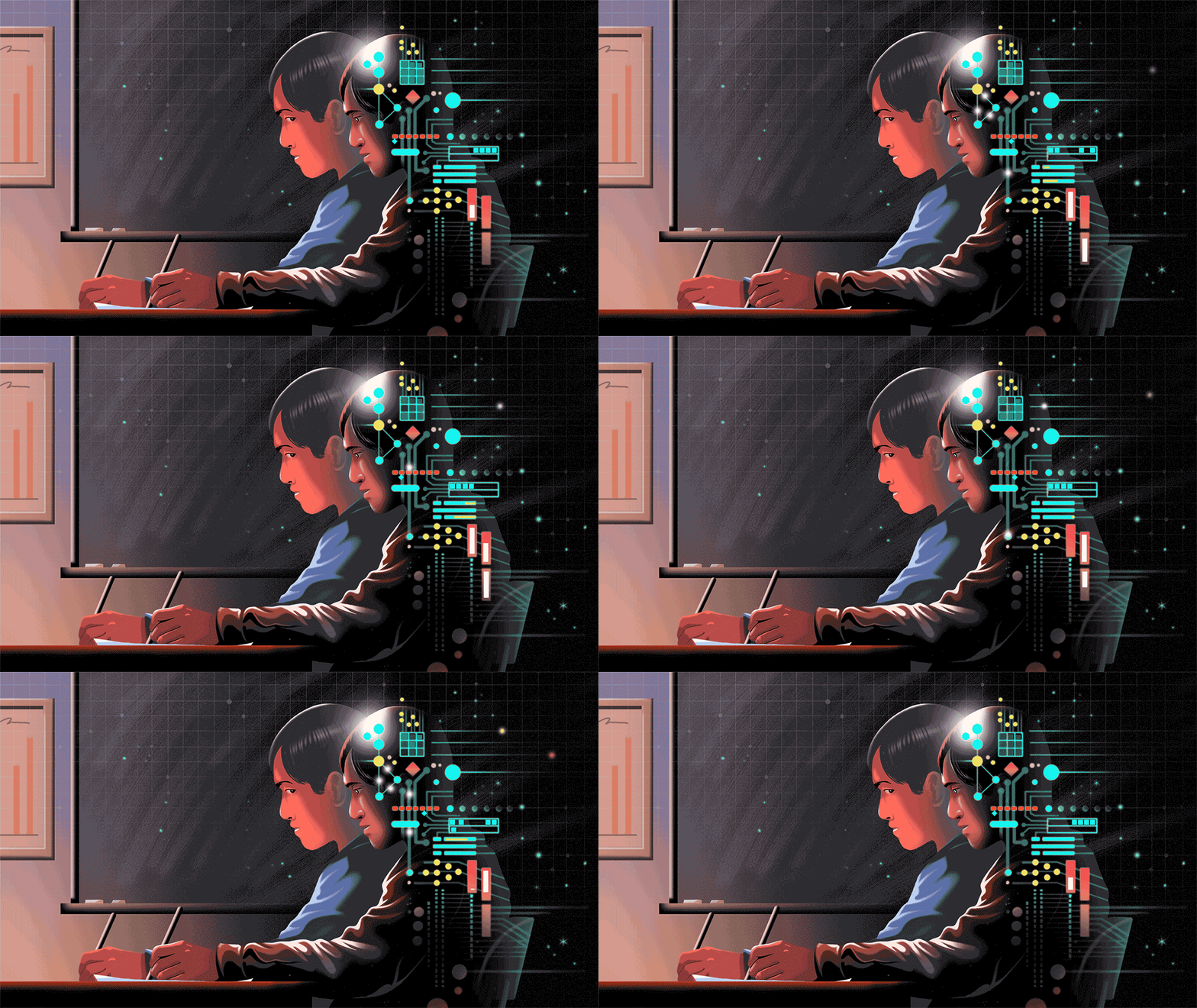
Join our Kids small group Speaking Classes to bring these and other topics to life Book a Free Trial < KIDS NEWS Education Next Select a Level Level 1 Level 2 Level 3 Level 4 NEW 27 Sept 2026 ChatGPT is impressive and can be quite useful. It can help people write text, for instance, and code. However, “it’s not magic,” says Casey Fiesler. In fact, it often seems intelligent and confident while making mistakes — and sometimes parroting biases. Glenn Harvey Think Twice About AI Homework Help Warm-up → Read & Listen → Check Understanding → Language → Use It WARM UP Section: Warm Up Think Ahead: Which detail do you think appears in this story? a) A robot program helps children with schoolwork but can make mistakes. b) A robot program does all school sports for students. c) Robots now teach every lesson in real classrooms. Ask: (1) Do you use computers or tablets to help with your school homework? (2) What should you do if a computer program gives you a wrong answer? VOCABULARY computer (/kəmˈpjuː.tə/ , noun) Meaning: An electronic machine that stores information and helps us do work or play games. Example: I use a computer to type my story for school. homework (/ˈhəʊm.wɜːk/ , noun) Meaning: School work that students do at home after class. Example: Tim finished his reading homework before dinner. answer (/ˈɑːn.sə/ , noun) Meaning: What you say or write when someone asks a question. Example: She wrote the correct answer in her workbook. robot (/ˈrəʊ.bɒt/ , noun) Meaning: A machine that can do actions or follow instructions automatically. Example: The toy robot can walk and talk. mistake (/mɪˈsteɪk/ , noun) Meaning: Something that is wrong or not correct. Example: He made a small mistake on his maths test. learn (/lɜːn/ , verb) Meaning: To get new knowledge or skills by studying or practice. Example: Children learn new words every day. Many children use computers for school today. Some children try a new robot program. The robot talks to people. It helps with school homework. The robot writes text quickly. It gives fast ideas to students. Many children like this quick help. But the robot is not magic. Sometimes the robot makes a big mistake. It gives the wrong answer to a simple maths question. It also gives false facts about history. Teachers say children must be careful. The robot does not think like a real person. It only guesses the next word in a sentence. When students copy the robot, they do not learn. Learning needs time, practice, and hard work. Students must read their schoolwork carefully. They should check every answer with a book. It is always good to ask a human teacher for help. A computer robot is only a helpful tool. Real learning happens inside your own clever brain. ChatGPT and tools like it sometimes get things very wrong, so it’s important not to rely on them as primary sources of information. Dolphin: roclwyr/Getty/Canva Pro; Hawk: Mark Newman/The Image Bank/Getty; Decorative elements: A’antian Studio; Animation: L. Steenblik Hwang/Canva Pro Share Lesson DISCUSSION QUESTIONS (1) Do you think computer robots are good for doing homework? (2) What is your favourite way to study for school? (3) Who helps you when you do not understand a hard question? (4) Why is it important to check your answers in a book? (5) What happens if you copy an answer without reading it? BACK TO TOP Unlock All Lessons ($3.99/mo) 🚀 Want more exercises and a worksheet pdf? This content is for premium subscribers and tuition parents only! Subscribe for $3.99/mo to unlock. FILL IN THE GAPS FILL THE GAPS Section 1: Fill in the Gaps Word Bank: answer, computer, homework, learn, mistake, robot Many children use _______(1) for school today. Some children try a new robot program. The robot talks to people. It helps with school _______(2). The robot writes text quickly. It gives fast ideas to students. Many children like this quick help. But the robot is not magic. Sometimes the robot makes a big _______(3). It gives the wrong answer to a simple maths question. It also gives false facts about history. Teachers say children must be careful. The robot does not think like a real person. It only guesses the next word in a sentence. When students copy the robot, they do not _______(4). Learning needs time, practice, and hard work. Students must read their schoolwork carefully. They should check every answer with a book. It is always good to ask a human teacher for help. A computer robot is only a helpful tool. Real learning happens inside your own clever brain. Section 2: Main Idea What is the main idea of this story? a) Computer robots can help with schoolwork, but students must think and check their work. b) Robots are real people who teach sports in primary schools. c) Students do not need to do homework anymore because robots do everything. UNDERSTANDING Section 3: True or False (1) The robot program can write text quickly for students. T/F (2) The robot program never makes mistakes in maths. T/F (3) Real learning happens inside a student's own brain. T/F Section 4: Put Events in Order Put these events in order from 1 to 3: ( ) The robot gives a wrong answer to a simple question. ( ) Students try a new computer robot program for homework. ( ) Teachers remind students to check answers and do real thinking. LANGUAGE Section 5: Vocab Match (1) computer (2) homework (3) robot (4) mistake (5) learn a) work that pupils do at home after school b) an electronic machine that processes information c) something that is not correct d) to get new knowledge by studying e) a machine that follows computer instructions USE IT Section 6: Discussion Builder (1) I use my computer to _____ my homework every evening. a) write b) sleep (2) When I make a mistake, I _____ my teacher for help. a) ask b) run Section 7: Sentence Unscramble (1) Unscramble these words to make a correct sentence: A: helps B: The C: program D: with E: homework. (2) Unscramble these words to make a correct sentence: A: always B: Students C: check D: should E: answers. SHOW ANSWERS BACK TO TOP ANSWER KEY A1 Complete Answer Key Section: Warm Up Answer: a) A robot program helps children with schoolwork but can make mistakes. Section 1: Fill in the Gaps (1) computer (2) homework (3) mistake (4) learn Section 2: Main Idea a) Computer robots can help with schoolwork, but students must think and check their work. Section 3: True or False (1) True (2) False (3) True Section 4: Put Events in Order (2) The robot gives a wrong answer to a simple question. (1) Students try a new computer robot program for homework. (3) Teachers remind students to check answers and do real thinking. Section 5: Vocab Match (1) - b (2) - a (3) - e (4) - c (5) - d Section 6: Discussion Builder (1) a) write (2) a) ask Section 7: Sentence Unscramble (1) The program helps with homework. (B-C-A-D-E) (2) Students should always check answers. (B-D-A-C-E) Section 8: Discussion Questions Open-ended student responses. BACK TO TOP Suggest Feature Report an Error Close Thank you for your feedback! SUBMIT Report an error
- The Secrets of Saturn's Rings Now Explained | Level Up English Club
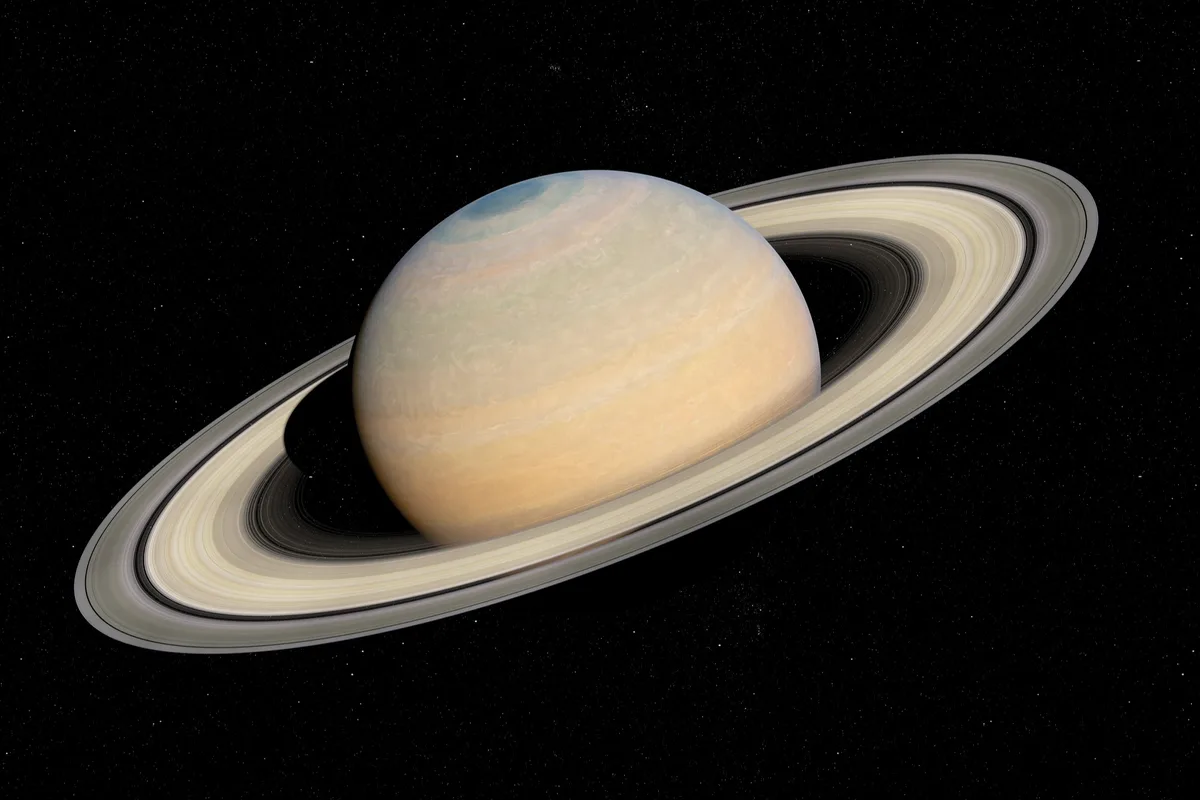
Join our Kids small group Speaking Classes to bring these and other topics to life Book a Free Trial < KIDS NEWS Science & Technology Next Select a Level Level 1 Level 2 Level 3 Level 4 NEW 5 Sept 2026 Credit: Getty The Secrets of Saturn's Rings Now Explained Warm-up → Read & Listen → Check Understanding → Language → Use It WARM UP Think Ahead: Which detail do you think appears in this story? a) Saturn has big rings made of ice. b) Saturn has rings made of hot fire. c) Saturn has rings made of green grass. Ask: (1) Do you like looking at pictures of space? (2) What is your favourite planet? VOCABULARY planet (/ˈplæn.ɪt/ , noun) Meaning: A very large round object in space like Earth or Saturn. Example: Saturn is a beautiful planet with bright rings. ring (/rɪŋ/ , noun) Meaning: A circle of ice or rock around a planet. Example: You can see the ring around Saturn with a telescope. ice (/aɪs/ , noun) Meaning: Frozen water that is cold and hard. Example: The rings are made of cold ice. moon (/muːn/ , noun) Meaning: An object that travels around a planet. Example: Two big moons crashed into each other. crash (/kræʃ/ , verb) Meaning: To hit something hard and break. Example: The moons crash in space. young (/jʌŋ/ , adjective) Meaning: Not old or existing for a short time. Example: These rings are quite young. Saturn is a very big planet in space. It has beautiful rings around it. Scientists are studying these rings today. They want to know where the rings come from. The rings are made of millions of pieces of ice. Some pieces are small like sand. Other pieces are big like mountains. The ice is very clean and bright. Scientists think two icy moons crashed a long time ago. The crash broke the moons into small pieces. These pieces made the rings. The rings are not very old. They are younger than the dinosaurs. Space travel helps us learn about Saturn. Computers show how the moons crashed. Now we understand this cold planet better. There are many mysteries about Saturn, including how its spectacular ring system was formed - Image credit: NASA/JPL Share Lesson DISCUSSION QUESTIONS (1) What is Saturn made of? (2) Would you like to travel into space one day? (3) Why are the rings on Saturn very bright? (4) How big are the pieces of ice around Saturn? (5) Do you think space science is exciting? BACK TO TOP Unlock All Lessons ($3.99/mo) 🚀 Want more exercises and a worksheet pdf? This content is for premium subscribers and tuition parents only! Subscribe for $3.99/mo to unlock. FILL IN THE GAPS FILL THE GAPS Section 1: Fill in the Gaps Word Bank: crash, ice, moon, planet Saturn is a very big _______(1) in space. It has beautiful rings around it. Scientists are studying these rings today. They want to know where the rings come from. The rings are made of millions of pieces of _______(2). Some pieces are small like sand. Other pieces are big like mountains. The ice is very clean and bright. Scientists think two icy moons crashed a long time ago. The _______(3) broke the moons into small pieces. These pieces made the rings. The rings are not very old. They are younger than the dinosaurs. Space travel helps us learn about Saturn. Computers show how each _______(4) crashed. Now we understand this cold planet better. Section 2: Main Idea What is the main idea of this text? a) Saturn has bright rings made from broken icy moons. b) Dinosaurs lived on Saturn a long time ago. c) Space travel is very dangerous for computers. UNDERSTANDING Section 3: True or False (1) The rings of Saturn are made of hot metal. T/F (2) Some pieces of ice are as big as mountains. T/F (3) The rings are older than the dinosaurs. T/F Section 4: Put Events in Order Put these events in order (1-3): ( ) Two icy moons crashed into each other in space. ( ) Broken pieces of ice formed rings around Saturn. ( ) Scientists used computers to study the rings. LANGUAGE Section 5: Vocab Match 1. planet 2. ice 3. crash 4. moon 5. ring a) Frozen water that is cold and hard b) A giant round body in space c) A circle around a planet d) An object that moves around a planet e) To hit something hard and break USE IT Section 6: Discussion Builder (1) Saturn is a _______ planet in our solar system. a) big b) small (2) The icy pieces around Saturn are very _______. a) bright b) dark Section 7: Sentence Unscramble (1) Unscramble the sentence: A) planet / B) is / C) a / D) Saturn / E) giant (2) Unscramble the sentence: A) made / B) ice / C) rings / D) are / E) of SHOW ANSWERS BACK TO TOP ANSWER KEY Warm Up Answer: a) Saturn has big rings made of ice. Section 1 Answers: (1) planet, (2) ice, (3) crash, (4) moon Section 2 Answer: a Section 3 Answers: (1) F, (2) T, (3) F Section 4 Answers: 1, 2, 3 Section 5 Answers: 1-b, 2-a, 3-e, 4-d, 5-c Section 6 Answers: (1) a, (2) a Section 7 Answers: (1) D-B-C-E-A (Saturn is a giant planet), (2) C-D-A-E-B (Rings are made of ice) Section 8 Answers: Student's own responses. BACK TO TOP Suggest Feature Report an Error Close Thank you for your feedback! SUBMIT Report an error
- The Sea Nomads with Super Free-Diving Powers | Level Up English Club
Join our Kids small group Speaking Classes to bring these and other topics to life Book a Free Trial < KIDS NEWS World Next Select a Level Level 1 Level 2 Level 3 Level 4 NEW 4 Sept 2026 The Sea Nomads with Super Free-Diving Powers Warm-up → Read & Listen → Check Understanding → Language → Use It WARM UP Think Ahead: Which detail do you think appears in this story? a) People who live on houseboats in Southeast Asia. b) Divers who use large metal oxygen tanks. c) Scientists building sub-marines for ocean exploration. Ask: (1) Do you like swimming underwater in the sea? (2) How long can you hold your breath underwater? VOCABULARY nomad (/ˈnəʊ.mæd/ , noun) Meaning: A person who moves from place to place instead of living in one fixed home. Example: The Bajau nomad lives on a small wooden boat on the blue ocean. dive (/daɪv/ , verb) Meaning: To jump or swim down deep into the water. Example: Children love to dive into the cool swimming pool on hot summer days. spleen (/spliːn/ , noun) Meaning: An organ inside the human body that helps clean red blood cells. Example: A bigger spleen helps holding oxygen for a longer time underwater. breath (/breθ/ , noun) Meaning: The air that you take into your lungs and send out again. Example: Take a deep breath before you jump into the cold sea water. spear (/spɪə/ , noun) Meaning: A long wooden stick with a sharp point used for catching fish. Example: The fisherman holds a long wooden spear to catch fish in the water. oxygen (/ˈɒk.sɪ.dʒən/ , noun) Meaning: The invisible gas in the air that all humans need to live. Example: Our bodies need clean oxygen to keep running and growing strong. The Bajau people live in Southeast Asia. Many live on houseboats in the sea. They are famous sea nomads. They swim every day to catch fish for food. Bajau divers do not use oxygen tanks. They dive deep into the water with simple wooden goggles and a wooden spear. They can hold their breath for a very long time. Scientists studied these amazing sea people. They looked at the bodies of Bajau divers. They found something very special. Bajau people have a larger spleen than other humans. The spleen is an organ inside your body. When you swim deep, your spleen squeezes. It sends fresh red blood cells into your body. This blood carries extra oxygen. Because of this extra oxygen, Bajau divers stay underwater for up to thirteen minutes. Their bodies adapted to life in the ocean over many years. They are super divers! Share Lesson DISCUSSION QUESTIONS (1) Would you like to live on a boat in the ocean? (2) Why do Bajau people dive into the sea every day? (3) What equipment do Bajau divers use when swimming? (4) How does a larger spleen help someone swim underwater? (5) What other ocean animals are good at holding their breath? BACK TO TOP Unlock All Lessons ($3.99/mo) 🚀 Want more exercises and a worksheet pdf? This content is for premium subscribers and tuition parents only! Subscribe for $3.99/mo to unlock. FILL IN THE GAPS FILL THE GAPS Section 1: Fill in the Gaps Word Bank: breath / dive / nomad / oxygen The Bajau people live in Southeast Asia. Many live on houseboats in the sea. They are famous sea _______(1)s. They swim every day to catch fish for food. Bajau divers do not use oxygen tanks. They _______(2) deep into the water with simple wooden goggles and a wooden spear. They can hold their _______(3) for a very long time. Scientists studied these amazing sea people. They looked at the bodies of Bajau divers. They found something very special. Bajau people have a larger spleen than other humans. The spleen is an organ inside your body. When you swim deep, your spleen squeezes. It sends fresh red blood cells into your body. This blood carries extra _______(4). Because of this extra oxygen, Bajau divers stay underwater for up to thirteen minutes. Their bodies adapted to life in the ocean over many years. They are super divers! Section 2: Main Idea What is the main idea of this news story? a) Bajau people have larger spleens that help them dive deep without oxygen tanks. b) Scientists are making new wooden goggles for swimming in the sea. c) Houseboats are the most popular homes in Southeast Asia today. UNDERSTANDING Section 3: True or False (1) Bajau divers use heavy metal oxygen tanks to breathe underwater. T/F (2) The Bajau people have a larger spleen than most other humans. T/F (3) A squeezed spleen releases extra red blood cells into the body. T/F Section 4: Put Events in Order Put these events in order from 1 to 3: ( ) The squeezed spleen pushes extra oxygen-rich blood cells into the body. ( ) The Bajau diver takes a deep breath and dives deep into the ocean water. ( ) Scientists study Bajau divers and discover their larger spleens. LANGUAGE Section 5: Vocab Match (1) nomad (2) dive (3) spleen (4) spear (5) oxygen a) A long stick with a sharp point for catching fish. b) An organ in your body that holds extra red blood cells. c) A person who travels around without a single home. d) The invisible gas in the air that humans breathe. e) To swim downwards deep under the water surface. USE IT Section 6: Discussion Builder (1) Bajau divers do not use _______ tanks when they swim in the sea. a) oxygen b) petrol c) water (2) A larger _______ helps the body send oxygen to the muscles underwater. a) tooth b) spleen c) finger Section 7: Sentence Unscramble (1) Unscramble these words to make a complete sentence: A) live / B) sea / C) houseboats / D) Bajau / E) on (2) Unscramble these words to make a complete sentence: A) hold / B) can / C) breath / D) they / E) their SHOW ANSWERS BACK TO TOP ANSWER KEY Warm Up Answer: a) People who live on houseboats in Southeast Asia. Section 1: Fill in the Gaps Answers: (1) nomad (2) dive (3) breath (4) oxygen Section 2: Main Idea Answer: a) Bajau people have larger spleens that help them dive deep without oxygen tanks. Section 3: True or False Answers: (1) False (2) True (3) True Section 4: Put Events in Order Answers: (2) The squeezed spleen pushes extra oxygen-rich blood cells into the body. (1) The Bajau diver takes a deep breath and dives deep into the ocean water. (3) Scientists study Bajau divers and discover their larger spleens. Section 5: Vocab Match Answers: (1) c (2) e (3) b (4) a (5) d Section 6: Discussion Builder Answers: (1) a) oxygen (2) b) spleen Section 7: Sentence Unscramble Answers: (1) D - A - E - C - B (Bajau live on sea houseboats / Bajau live on houseboats in sea) (2) D - B - A - E - C (They can hold their breath) Section 8: Discussion Questions Sample Answers: (1) Yes, because living on the water sounds fun and full of adventures. (2) They dive every day to catch fresh fish and food for their family. (3) They use simple wooden goggles and wooden spears. (4) A larger spleen holds extra red blood cells to give oxygen underwater. (5) Dolphins, whales, and seals can hold their breath for a very long time. BACK TO TOP Suggest Feature Report an Error Close Thank you for your feedback! SUBMIT Report an error
- New Views from Space | Level Up English Club
Join our Kids small group Speaking Classes to bring these and other topics to life Book a Free Trial < KIDS NEWS Science & Technology Next Select a Level Level 1 Level 2 Level 3 Level 4 NEW 21 May 2026 New Views from Space Warm-up → Read & Listen → Check Understanding → Language → Use It WARM UP Would you like to travel in a rocket to the moon one day? What do you think Earth looks like from far away in space? VOCABULARY Agency (noun) Flight (noun) Crew (noun) Equipment (noun) Orbit (noun) Sight (noun) /ey-juhn-see/ A special group or department that does a specific job for a country. Example: NASA is the space agency of the United States. /flahyt/ A journey through the air or through space. Example: The rocket flight to the moon was safe and quick. /kroo/ A group of people who work together on a ship or spacecraft. Example: The space crew smiled and waved before they went inside. /ih-kwip-muhnt/ The tools, cameras, or machines needed for a special activity. Example: Astronauts need special equipment to breathe in space. /awr-bit/ The circular path an object takes as it moves around a planet or moon. Example: The satellite is in orbit around the Earth. /sahyt/ Something that you see, especially something amazing or beautiful. Example: The bright stars were a beautiful sight in the dark night. The famous space agency NASA has shared thousands of wonderful new photos from space. The photos were taken during a special spaceflight called Artemis II. The flight started on April 1 and ended on April 10, 2026. Four brave astronauts traveled in a spacecraft around the moon. While they were flying, the crew used their high-tech equipment to take 12,217 amazing pictures! These are the first pictures taken by humans traveling far beyond low Earth orbit in more than 50 years. The photos show incredible views of the gray moon with its deep craters. They also show a bright, beautiful crescent Earth glowing against the dark sky. You can even see the planet Venus in the corner of one picture! The commander of the mission said they saw sights that no human has ever seen before. Now, anyone can look at these beautiful pictures on a special NASA website. Share Lesson DISCUSSION QUESTIONS Which space agency released the new photos from space? What was the name of the spaceflight mission? How many photos did the astronauts take during their journey? What objects in space can you see in the new photographs? Why are these photos so special for history? If you were an astronaut, what would you want to take a picture of? BACK TO TOP Unlock All Lessons ($3.99/mo) 🚀 Want more exercises and a worksheet pdf? This content is for premium subscribers and tuition parents only! Subscribe for $3.99/mo to unlock. FILL IN THE GAPS FILL THE GAPS Word Bank: agency, flight, crew, equipment, orbit, sights The space (1)_______ NASA has shared thousands of wonderful new photos from space. The photos were taken during a historic space (2)_______ called Artemis II. The space (3)_______ used their cameras and special tools to take 12,217 pictures! These are the first pictures taken by humans traveling far beyond low Earth (4)_______ in 50 years. The pictures show a beautiful crescent Earth and other amazing (5)_______ in the dark sky. The astronauts sat inside their capsule with all their technical (6)_______ to capture the view. UNDERSTANDING Part 1: True/False statements The Artemis II spaceflight lasted for two full months. _____ The astronauts took more than 12,000 photos during the mission. _____ These are the first photos from beyond low Earth orbit in over 50 years. _____ The photographs only show the inside of the spacecraft. _____ You can see the planet Venus in one of the released images. _____ Part 2: Put in Order A. NASA uploads all 12,217 images to a public website for the world to see. _____ B. The Artemis II rocket lifts off from Earth with four astronauts inside. _____ C. The crew uses their cameras to capture sights no human has ever seen before. _____ D. The spacecraft lands safely back on Earth with all the photography equipment. _____ LANGUAGE Agency Flight Crew Equipment Orbit Sight A. Something amazing or beautiful that you see B. The path an object takes around a planet or moon C. A government department that does a specific job D. A group of people working together on a craft E. A journey made through the air or outer space F. Tools or machines needed for a specific task USE IT SHOW ANSWERS BACK TO TOP ANSWER KEY Fill in the Gaps: 1. agency, 2. flight, 3. crew, 4. orbit, 5. sights, 6. equipment Understanding (Part 1): 1. False, 2. True, 3. True, 4. False, 5. True Understanding (Part 2): D, A, B, C Language: 1-C, 2-E, 3-D, 4-F, 5-B, 6-A BACK TO TOP Suggest Feature Report an Error Close Thank you for your feedback! SUBMIT Report an error
- The Great Cosmic Shadow in August 2026 | Level Up English Club
Join our Kids small group Speaking Classes to bring these and other topics to life Book a Free Trial < KIDS NEWS Science & Technology Next Select a Level Level 1 Level 2 Level 3 Level 4 NEW 8 Jun 2026 The Great Cosmic Shadow in August 2026 Warm-up → Read & Listen → Check Understanding → Language → Use It WARM UP Think Ahead: Which detail do you think appears in this story? a) The sun will turn bright blue for a whole day. b) The moon will completely block the sun in August 2026. c) A spaceship will land on the moon during the summer. Ask: (1) Have you ever seen an eclipse or looked at the moon at night? (2) What do you think happens when the sky turns dark during the day? VOCABULARY eclipse /ɪˈklɪps/ noun moon /muːn/ noun sun /sʌn/ noun shadow /ˈʃædəʊ/ noun dark /dɑːk/ adjective sky /skaɪ/ noun When the moon blocks the light of the sun. Example: We can see a total solar eclipse in August. The round object that moves around the Earth. Example: The moon moves in front of the sun. The bright star that gives light to the Earth. Example: The sun is very hot and bright. A dark shape made when something blocks light. Example: The moon throws a long shadow on Earth. With little or no light. Example: The sky becomes dark during an eclipse. The space above the Earth where clouds and stars are. Example: Look up at the beautiful blue sky. An exciting space event is coming on Wednesday 12 August 2026. A total solar eclipse will happen in the sky. This special event occurs when the moon travels between the Earth and the sun. When this happens, the moon blocks the hot sun completely. Then, the moon casts a large shadow on our planet. For a short time, the daytime sky turns dark. People in beautiful Greenland and chilly Iceland can see it. The shadow also moves across northern Spain. In these places, the sun will disappear for over two minutes. It will look like night-time during the day! Many families are planning trips to see this wonderful sight. Remember, you must always wear special protective glasses to look at the sun safely. It is a brilliant space show you do not want to miss. Share Lesson DISCUSSION QUESTIONS 1. Would you like to see a total solar eclipse? 2. Which country from the story would you visit to see the shadow? 3. Why is it dangerous to look directly at the sun? 4. How would you feel if the daytime sky suddenly became dark? 5. What special things do we need to wear to watch the eclipse? 6. Do you prefer looking at the sun or looking at the moon? BACK TO TOP Unlock All Lessons ($3.99/mo) 🚀 Want more exercises and a worksheet pdf? This content is for premium subscribers and tuition parents only! Subscribe for $3.99/mo to unlock. FILL IN THE GAPS FILL THE GAPS Section 1: Fill in the Gaps Word Bank: eclipse, moon, shadow, dark An exciting space event is coming on Wednesday 12 August 2026. A total solar _______(1) will happen in the sky. This special event occurs when the _______(2) travels between the Earth and the sun. When this happens, the moon blocks the hot sun completely. Then, the moon casts a large _______(3) on our planet. For a short time, the daytime sky turns _______(4). People in beautiful Greenland and chilly Iceland can see it. The shadow also moves across northern Spain. In these places, the sun will disappear for over two minutes. It will look like night-time during the day! Many families are planning trips to see this wonderful sight. Remember, you must always wear special protective glasses to look at the sun safely. It is a brilliant space show you do not want to miss. Section 2: Main Idea What is the main idea of this article? a) People are travelling to space to see the stars. b) A special solar eclipse will make the sky dark in August 2026. c) Greenland is the coldest place in the world. UNDERSTANDING Section 3: True and False 1. The solar eclipse will happen on a Friday. T/F 2. The sky turns dark during a total solar eclipse. T/F 3. You can safely look at the sun without special glasses. T/F Section 4: Put Events in Order Number the events from 1 to 3 to put them in the correct order: A. The moon blocks the hot sun completely________ B. The daytime sky turns dark for a short time ________ C. The moon travels between the Earth and the sun ________ LANGUAGE Section 5: Vocab Match 1. sun 2. sky 3. shadow 4. dark a) With little or no light b) A dark shape made when something blocks light c) The bright star that gives light to the Earth d) The space above the Earth where clouds are USE IT Section 6: Discussion Builder 1. I think the solar eclipse will look very _______ because the sky turns dark. a) boring b) beautiful c) yellow 2. My family wants to _______ to Spain to see this amazing event. a) travel b) sleep c) eat Section 7: Sentence Unscramble Unscramble the sentence parts to make a correct sentence: 1. A) will happen B) solar eclipse C) in the sky D) A total E) in August. 2. A) must wear B) You C) special glasses D) look safely E) to. SHOW ANSWERS BACK TO TOP ANSWER KEY Warm Up Answer: b Section 1: Fill in the Gaps (1) eclipse (2) moon (3) shadow (4) dark Section 2: Main Idea b Section 3: True and False 1. False 2. True 3. False Section 4: Put Events in Order 1. C 2. A 3. B Section 5: Vocab Match 1. c 2. d 3. b 4. a Section 6: Discussion Builder 1. b 2. a Section 7: Sentence Unscramble 1. D, B, A, C, E (A total solar eclipse will happen in the sky in August.) 2. B, A, C, E, D (You must wear special glasses to look safely.) BACK TO TOP Suggest Feature Report an Error Close Thank you for your feedback! SUBMIT Report an error
- The Tasty Sonoran Hot Dog Hits Tucson | Level Up English Club
Join our Kids small group Speaking Classes to bring these and other topics to life Book a Free Trial < KIDS NEWS Art & Culture Next Select a Level Level 1 Level 2 Level 3 Level 4 NEW 11 Sept 2026 Sonoran hot dogs — bacon-wrapped franks served in bolillo rolls with an array of flavorful condiments — have their own food trail in Tucson, Arizona. Lisa Cherkasky/The Washington Post/Getty Images The Tasty Sonoran Hot Dog Hits Tucson Warm-up → Read & Listen → Check Understanding → Language → Use It WARM UP Think Ahead: Which detail do you think appears in this story? a) A special street food wrapped in crisp bacon b) A hot dog made only with sweet fruit jam c) A cold soup served in big blue bowls Ask: (1) Have you ever eaten a hot dog with unusual toppings? (2) Do you like trying new food from other places? VOCABULARY bacon (/ˈbeɪ.kən/ , noun) Meaning: Meat from a pig that becomes crispy when you cook it. Example: I like eating bacon with my warm breakfast. bread (/bred/ , noun) Meaning: A soft baked food made from flour and water. Example: We put the sausage inside fresh bread. border (/ˈbɔː.də/ , noun) Meaning: The line that divides two countries or areas. Example: The city is very close to the border. sauce (/sɔːs/ , noun) Meaning: A thick liquid that adds flavor to your food. Example: She puts red sauce on her tasty meal. street (/striːt/ , noun) Meaning: A road in a town with cars and shops. Example: The food cart stands on a busy street. cook (/kʊk/ , verb) Meaning: To make food hot so you can eat it. Example: Chefs cook nice food for hungry people. Many people love hot dogs. In Tucson, Arizona, people eat a special kind. It is the Sonoran hot dog. This food comes from Sonora in Mexico. It is very popular today. Cooks wrap the sausage in bacon. Then they grill the hot dog until it is hot. Next, they put the meat into soft bread. They add beans, onions, and tomatoes. They add mayo and mustard too. People eat these hot dogs on the street. Vendors sell them from bright carts. One famous cook opened a shop in 1994. He makes hundreds of hot dogs every day. Many visitors travel to Tucson to try this food. The city is famous for tasty meals. Children and adults love the rich flavors. It is a fun food to share with your friends. You can eat it quickly with your hands. The hot dog, as the sausages brought to the US by German-speaking immigrants came to be known, has long been a staple at baseball games. Kyle Rivas/Getty Images Share Lesson DISCUSSION QUESTIONS 1. What toppings do you like on a hot dog? 2. Why do you think people like street food? 3. Is it good to share food with friends? 4. Would you like to travel to Arizona? 5. What is your favorite meal from your home country? BACK TO TOP Unlock All Lessons ($3.99/mo) 🚀 Want more exercises and a worksheet pdf? This content is for premium subscribers and tuition parents only! Subscribe for $3.99/mo to unlock. FILL IN THE GAPS FILL THE GAPS Section 1: Fill in the Gaps Word Bank: bacon, border, bread, street Many people love hot dogs. In Tucson, Arizona, people eat a special kind. It is the Sonoran hot dog. This food comes from across the _______(1). It is very popular today. Cooks wrap the sausage in _______(2). Then they grill the hot dog until it is hot. Next, they put the meat into soft _______(3). They add beans, onions, and tomatoes. They add mayo and mustard too. People eat these hot dogs on the _______(4). Vendors sell them from bright carts. Section 2: Main Idea What is the main idea of the article? a) Hot dogs are only eaten in winter. b) Sonoran hot dogs are a popular and special food in Tucson. c) People in Arizona do not like street carts. UNDERSTANDING Section 3: True or False 1. Cooks wrap the hot dog sausage in bacon. T/F 2. The Sonoran hot dog comes from Germany. T/F 3. Vendors sell these hot dogs from street carts. T/F Section 4: Put Events in Order a) Put the meat into soft bread. b) Wrap the sausage in bacon. c) Add beans, onions, and tomatoes on top. LANGUAGE Section 5: Vocab Match 1. Bacon 2. Bread 3. Border 4. Sauce 5. Street a) A line between two countries b) Soft baked food for sandwiches c) A public road in a city d) Crispy meat from a pig e) Liquid that gives food extra flavor USE IT Section 6: Discussion Builder 1. I want to buy a hot dog from the street _______. a) cart b) chair 2. The cook puts yellow _______ on top of the sausage. a) mustard b) water Section 7: Sentence Unscramble 1. Unscramble the sentence: A) love / B) many / C) hot dogs / D) young / E) people 2. Unscramble the sentence: A) is / B) soft / C) the / D) very / E) bread SHOW ANSWERS BACK TO TOP ANSWER KEY Warm Up Answer: a Section 1: 1) border, 2) bacon, 3) bread, 4) street Section 2: b Section 3: 1) T, 2) F, 3) T Section 4: 1) b, 2) a, 3) c Section 5: 1-d, 2-b, 3-a, 4-e, 5-c Section 6: 1) a, 2) a Section 7: 1) B-D-E-A-C (Many young people love hot dogs.), 2) C-E-B-A-D (The bread is very soft.) Section 8: Open student responses. BACK TO TOP Suggest Feature Report an Error Close Thank you for your feedback! SUBMIT Report an error
- The 450-Million-Year-Old Fish with Googly Eyes | Level Up English Club
Join our Kids small group Speaking Classes to bring these and other topics to life Book a Free Trial < KIDS NEWS History Next Select a Level Level 1 Level 2 Level 3 Level 4 NEW 21 Oct 2026 Image credit: Simo Mark/Luomus/The Finnish Museum of Natural History in Helsinki The 450-Million-Year-Old Fish with Googly Eyes Warm-up → Read & Listen → Check Understanding → Language → Use It WARM UP Section: Warm Up Think Ahead: Which detail do you think appears in this story? a) The fish has funny googly eyes. b) The fish has big, sharp teeth. c) The fish has long red fins. Ask: (1) What is your favourite sea animal? Why? (2) Do you like museums? What do you like to see there? VOCABULARY fossil (/ˈfɒsl/ , noun) Meaning: A part of a very old animal or plant. It is now in rock. Example: I can see a fish fossil in the rock. extinct (/ɪkˈstɪŋkt/ , adjective) Meaning: When an animal is extinct, there are no more alive. Example: Dinosaurs are extinct. strange (/streɪndʒ/ , adjective) Meaning: Very different and unusual. Example: This fish has a strange face. belly (/ˈbeli/ , noun) Meaning: The round front part of a body, under the chest. Example: My cat has a soft, white belly. tail (/teɪl/ , noun) Meaning: The long part at the back of an animal. Example: My dog is wagging its tail. smile (/smaɪl/ , noun) Meaning: The happy shape your mouth makes. Example: My teacher has a big smile. museum (/mjuˈziːəm/ , noun) Meaning: A building with old and interesting things to look at. Example: We are looking at dinosaur bones in the museum. famous (/ˈfeɪməs/ , adjective) Meaning: Known by lots and lots of people. Example: My favourite singer is very famous. Meet Sacabambaspis! It is a very old fish. It is from 450 million years ago. Now there are no Sacabambaspis fish in the sea. It is extinct. Scientists find its fossils in rocks. They find fossils in Bolivia, Australia, Argentina and Oman. This fish is very strange. It is about 30 centimetres long. The top of its body is flat. Its belly is big and round. It has no jaws. It has a round mouth. It sucks up tiny plants and animals. It has no fins on its body. It has one small fin on its tail. It wiggles like a tadpole. Today, there is a model of this fish in a museum in Finland. The model is silver. It has a big smile. It has funny googly eyes! They are black and white. Now people in Japan love this fish. They are sharing photos of the model online. They are drawing pictures of it. Children are buying soft toys and T-shirts. The old fish is famous now! More than 450 million years after it went extinct, this weird fish now has fame, glory and merch - Image credit: Simo Mark/Luomus/The Finnish Museum of Natural History in Helsinki Imagine a foot-long fish that looks as if it's been whacked on the head with a frying pan - Image credit: Simo Mark/Loumus/The Finnish Museum of Natural History in Helsinki Share Lesson DISCUSSION QUESTIONS Section 8: Discussion Questions Talk about these questions with your teacher and classmates. 1. Do you like the Sacabambaspis? Why or why not? 2. What colour are the model's eyes? 3. What is your favourite fish? 4. Do you want a Sacabambaspis soft toy? 5. What other funny animal do you know? BACK TO TOP Unlock All Lessons ($3.99/mo) 🚀 Want more exercises and a worksheet pdf? This content is for premium subscribers and tuition parents only! Subscribe for $3.99/mo to unlock. FILL IN THE GAPS FILL THE GAPS Section 1: Fill in the Gaps Read the text. Fill in the gaps with words from the Word Bank. Word Bank: museum | famous | belly | extinct Meet Sacabambaspis! It is a very old fish. It is from 450 million years ago. Now there are no Sacabambaspis fish in the sea. It is _______(1). Scientists find its fossils in rocks. They find fossils in Bolivia, Australia, Argentina and Oman. This fish is very strange. It is about 30 centimetres long. The top of its body is flat. Its _______(2) is big and round. It has no jaws. It has a round mouth. It sucks up tiny plants and animals. It has no fins on its body. It has one small fin on its tail. It wiggles like a tadpole. Today, there is a model of this fish in a _______(3) in Finland. The model is silver. It has a big smile. It has funny googly eyes! They are black and white. Now people in Japan love this fish. They are sharing photos of the model online. They are drawing pictures of it. Children are buying soft toys and T-shirts. The old fish is _______(4) now! Section 2: Main Idea What is the main idea of the story? Choose the best answer. a) A very old, strange fish is famous today. b) A new fish is in a pet shop. c) A museum in Japan is closing. UNDERSTANDING Section 3: True or False Read the sentences. Circle T (true) or F (false). 1. Sacabambaspis has big jaws. T/F 2. The fish has one small fin on its tail. T/F 3. The model is in a museum in Japan. T/F Section 4: Put Events in Order Put the events in order. Write 1, 2 or 3. ___ a) People in Japan are sharing photos. ___ b) Scientists find fossils in rocks. ___ c) A museum in Finland has a model. LANGUAGE Section 5: Vocab Match 1. fossil 2. tail 3. smile 4. strange 5. famous a) very different and unusual b) the happy shape your mouth makes c) known by lots of people d) part of a very old animal, now in rock e) the long part at the back of an animal USE IT Section 6: Discussion Builder Choose the best option to complete each sentence. 1. I think the fish is ______ because it has googly eyes. a) funny b) sad c) angry 2. I want a Sacabambaspis ______ because it is soft. a) rock b) soft toy c) fin Section 7: Sentence Unscramble Put the parts in the correct order to make a sentence. Write the sentence on the line. 1. A) eyes. / B) The / C) has / D) googly / E) fish ______________________________________________ 2. A) love / B) Japan / C) it. / D) People / E) in ______________________________________________ SHOW ANSWERS BACK TO TOP ANSWER KEY Answer Key Warm Up: a) The fish has funny googly eyes. Section 1: Fill in the Gaps (1) extinct (2) belly (3) museum (4) famous Section 2: Main Idea a) A very old, strange fish is famous today. Section 3: True or False 1. F (It has no jaws.) 2. T 3. F (The museum is in Finland.) Section 4: Put Events in Order 1 – b) Scientists find fossils in rocks. 2 – c) A museum in Finland has a model. 3 – a) People in Japan are sharing photos. Section 5: Vocab Match 1 – d 2 – e 3 – b 4 – a 5 – c Section 6: Discussion Builder 1. a) funny 2. b) soft toy Section 7: Sentence Unscramble 1. B, E, C, D, A – The fish has googly eyes. 2. D, E, B, A, C – People in Japan love it. Section 8: Discussion Questions Answers will vary. Model answer for question 1: Yes, I like it. It has funny eyes and a big smile. BACK TO TOP Suggest Feature Report an Error Close Thank you for your feedback! SUBMIT Report an error
- Taiwan Government Systems Targeted by Autonomous AI Cyberattack | Level Up English Club
Join our Kids small group Speaking Classes to bring these and other topics to life Book a Free Trial < KIDS NEWS Science & Technology Next Select a Level Level 1 Level 2 Level 3 Level 4 NEW 27 Aug 2026 Hackers deployed an autonomous AI system to carry out cyberattacks on Taiwan, in what experts believe is the first known fully autonomous attack on government agencies. Thana Prasongsin/Moment RF/Getty Images Taiwan Government Systems Targeted by Autonomous AI Cyberattack Warm-up → Read & Listen → Check Understanding → Language → Use It WARM UP Think Ahead: Which detail do you think appears in this story? a) Hackers used artificial intelligence agents to attack computer systems in Taiwan. b) Robots physically entered government buildings to take paper documents. c) Computer systems in schools were updated with exciting video games. Ask: (1) Have you ever used artificial intelligence to help you complete a task? (2) Why is it important for computer systems to be secure and safe? VOCABULARY agent (/ˈeɪ.dʒənt/ , noun) Meaning: A computer program that acts independently to complete tasks. Example: The smart software agent helped organize the computer files quickly. attack (/əˈtæk/ , noun) Meaning: An attempt to hurt, damage, or break into something. Example: The website stopped working after a cyber attack. cybersecurity (/ˈsaɪ.bə.sɪˈkjʊə.rə.ti/ , noun) Meaning: Ways to keep computers and data safe from online threats. Example: Good cybersecurity helps protect our private photos and passwords. detect (/dɪˈtekt/ , verb) Meaning: To notice or discover something that is hidden. Example: The safety alarm can detect smoke in the kitchen. government (/ˈɡʌv.ən.mənt/ , noun) Meaning: The group of people who officially rule a country. Example: The national government built a brand new public library. network (/ˈnet.wɜːk/ , noun) Meaning: A group of connected computers that share information. Example: All computers in the school are on the same network. protect (/prəˈtekt/ , verb) Meaning: To keep someone or something safe from harm. Example: You must protect your personal accounts with strong passwords. In July 2026, computer experts discovered unusual activity in Taiwan. Overseas hackers tried to break into official computers. The hackers used artificial intelligence to help them. This was a special kind of cyberattack. They used small computer programs called AI agents. These smart agents worked together very fast to search for secret files. Safety teams in Taiwan detected the problem quickly. They saw that the agents tried to enter government networks and energy company computers. The agents checked many different paths to find open doors. Experts said this technology made the attack fast and cheap to run. Taiwan acted to protect its computer systems. They closed the safety gaps and added stronger monitoring. Experts said governments around the world must learn from this event. Today, cybersecurity teams are working hard to stop AI attacks before they start. The logo of OpenClaw, an open-source AI assistant, is seen on the software's website in this photo illustration taken March 12, 2026. Florence Lo/Reuters Share Lesson DISCUSSION QUESTIONS (1) Why is it important to keep government computer networks safe? (2) How can artificial intelligence help people in their everyday lives? (3) What should you do if your computer password stops working? (4) How can people create strong passwords for their accounts? (5) Do you think artificial intelligence will make computers safer or more dangerous? BACK TO TOP Unlock All Lessons ($3.99/mo) 🚀 Want more exercises and a worksheet pdf? This content is for premium subscribers and tuition parents only! Subscribe for $3.99/mo to unlock. FILL IN THE GAPS FILL THE GAPS Section 1: Fill in the Gaps Word Bank: agents, cybersecurity, detect, government In July 2026, computer experts discovered unusual activity in Taiwan. Overseas hackers tried to break into official computers. The hackers used artificial intelligence to help them. They used small computer programs called AI _______(1). Safety teams in Taiwan were able to _______(2) the unusual activity. They saw that the attackers tried to enter _______(3) networks. Taiwan acted quickly to improve its safety. Today, _______(4) teams are working hard to keep all systems secure. Section 2: Main Idea What is the main idea of the article? a) Taiwan built new artificial intelligence robots for public schools. b) Overseas hackers used smart AI agents to attack computer networks in Taiwan. c) Computer experts recommend that everyone changes their mobile phone numbers. UNDERSTANDING Section 3: True or False (1) The cyberattack took place in July 2026. T/F (2) Hackers used physical robots to enter offices in Taiwan. T/F (3) Taiwan improved its computer security after detecting the threat. T/F Section 4: Put Events in Order Put the following events in order from 1 to 3: ( ) Safety teams in Taiwan detected unusual computer activity. ( ) Hackers used AI agents to target official computer networks. ( ) Taiwan closed safety gaps to protect its computer systems. LANGUAGE Section 5: Vocab Match (1) agent (2) attack (3) network (4) detect (5) protect a) to keep someone or something safe b) an attempt to cause damage or break into something c) to notice or discover something hidden d) a smart computer program that acts independently e) a group of connected computers USE IT Section 6: Discussion Builder (1) The expert tried to _______ the secret computer code. a) detect b) run (2) We must _______ our personal information online. a) protect b) open Section 7: Sentence Unscramble (1) A: AI agents / B: used / C: Hackers / D: networks / E: to target (2) A: systems / B: Taiwan / C: computer / D: protected / E: its SHOW ANSWERS BACK TO TOP ANSWER KEY Warm Up Answer: a Section 1: (1) agents (2) detect (3) government (4) cybersecurity Section 2: b Section 3: (1) T (2) F (3) T Section 4: 2, 1, 3 Section 5: (1) d, (2) b, (3) e, (4) c, (5) a Section 6: (1) a, (2) a Section 7: (1) C-B-A-E-D (Hackers used AI agents to target networks.), (2) B-D-E-C-A (Taiwan protected its computer systems.) Section 8: Open-ended student discussion answers. BACK TO TOP Suggest Feature Report an Error Close Thank you for your feedback! SUBMIT Report an error