Search this site
Results found for empty search
- Why Did the Earth Shake for Nine Days? | Level Up English Club
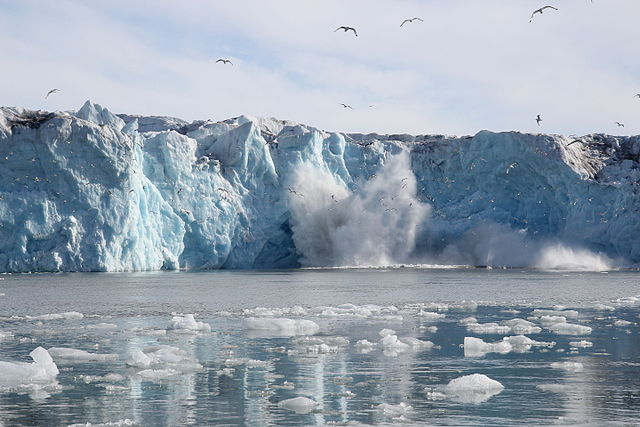
Join our Kids small group Speaking Classes to bring these and other topics to life Book a Free Trial < KIDS NEWS Animals & Environment Next Select a Level Level 1 Level 2 Level 3 Level 4 NEW 26 Aug 2026 Glacier calving; Image Wikipedia Why Did the Earth Shake for Nine Days? Warm-up → Read & Listen → Check Understanding → Language → Use It WARM UP Think Ahead: Which detail do you think appears in this story? a) A volcano erupted underwater for a week. b) A mountain fell into water and made a huge wave. c) A space rock hit the ocean in Greenland. Ask: (1) Have you ever felt the ground shake or vibrate? (2) What happens when you drop a heavy rock into water? VOCABULARY vibration (/vaɪˈbreɪ.ʃən/ , noun) Meaning: A continuous fast shaking movement. Example: The loud drum made a strong vibration in the room. collapse (/kəˈlæps/ , verb) Meaning: To fall down suddenly and break apart. Example: Heavy snow caused the weak roof to collapse. climate (/ˈklaɪ.mət/ , noun) Meaning: The normal weather conditions of a place over time. Example: Greenland has a very cold polar climate. narrow (/ˈnær.əʊ/ , adjective) Meaning: Measuring a small distance from one side to the other. Example: The boat sailed through a narrow path between the rocks. fjord (/fjɔːd/ , noun) Meaning: A long, thin strip of sea water between high cliffs. Example: We saw cold blue water inside the deep Greenland fjord. vibrate (/vaɪˈbreɪt/ , verb) Meaning: To shake rapidly back and forth. Example: Mobile phones vibrate when someone calls. puzzle (/ˈpʌz.əl/ , noun) Meaning: A difficult problem that requires careful thought to solve. Example: Solving this science puzzle took a long time. In September 2023, scientists around the world heard a strange sound. It was a giant vibration that travelled through the Earth. This shaking did not stop quickly. It lasted for nine whole days! Scientists were very surprised because normal earthquakes do not sound like this. They wanted to find out what happened. Soon, they found the answer in a cold place called Greenland. A huge mountain peak collapsed because warming climate melted the ice holding it up. Tons of rock and ice fell fast into a narrow fjord. This giant fall created a huge wave of water called a mega-tsunami. The tall water wave moved back and forth inside the narrow fjord every ninety seconds. It was trapped like water sloshing in a bath. This sloshing water pushed against the rock walls of the fjord. The moving water made the whole planet vibrate gently for nine days. Scientists worked together to solve this amazing science puzzle. Listen 00:00 / 00:59 Share Lesson Dickson Fjord in Greenland; Image Wikipedia DISCUSSION QUESTIONS 1. Why were scientists surprised by the strange sound in September 2023? 2. Where did the mountain collapse happen? 3. How did warming climate cause the rockfall? 4. Why was the ocean wave trapped inside the fjord? 5. Would you like to be a scientist who solves Earth mysteries? Why? BACK TO TOP Unlock All Lessons ($3.99/mo) 🚀 Want more exercises and a worksheet pdf? This content is for premium subscribers and tuition parents only! Subscribe for $3.99/mo to unlock. FILL IN THE GAPS FILL THE GAPS Section 1: Fill in the Gaps Word Bank: collapse, narrow, vibrate, vibration In September 2023, scientists around the world heard a strange sound. It was a giant _______(1) that travelled through the Earth. This shaking did not stop quickly. It lasted for nine whole days! Scientists were very surprised because normal earthquakes do not sound like this. They wanted to find out what happened. Soon, they found the answer in a cold place called Greenland. A huge mountain peak _______(2) because warming climate melted the ice holding it up. Tons of rock and ice fell fast into a _______(3) fjord. This giant fall created a huge wave of water called a mega-tsunami. The tall water wave moved back and forth inside the narrow fjord every ninety seconds. It was trapped like water sloshing in a bath. This sloshing water pushed against the rock walls of the fjord. The moving water made the whole planet _______(4) gently for nine days. Scientists worked together to solve this amazing science puzzle. Section 2: Main Idea What is the main idea of this article? a) Earthquakes in Greenland happen every ninety seconds during winter. b) A landslide in Greenland created sloshing water that made Earth vibrate for nine days. c) Scientists built a giant bath to test water waves in icy fjords. UNDERSTANDING Section 3: True or False 1. The strange vibration through the Earth lasted for nine days. T/F 2. The mountain fell because the weather in Greenland got colder. T/F 3. Water sloshed back and forth inside a narrow fjord every ninety seconds. T/F Section 4: Put Events in Order Put these events in order from 1 to 3: ( ) A huge mountain peak collapsed into a narrow fjord. ( ) Warming climate melted ice that held up the mountain rock. ( ) Trapped water sloshed back and forth and made the Earth vibrate for nine days. LANGUAGE Section 5: Vocab Match 1. vibration 2. collapse 3. climate 4. narrow 5. fjord a) measuring a small distance across b) a long strip of ocean between high cliffs c) a fast shaking movement d) normal weather pattern of a region e) to fall down suddenly USE IT Section 6: Discussion Builder 1. Warming temperatures can melt glacier ice and cause mountains to _______. a) collapse b) vibrate c) freeze 2. Ocean water trapped in a _______ fjord moves back and forth quickly. a) narrow b) loud c) warm Section 7: Sentence Unscramble 1. Unscramble the sentence parts into the correct order (A-E): A) through the planet B) A giant vibration C) for nine days D) travelled gently E) around the world 2. Unscramble the sentence parts into the correct order (A-E): A) fell fast into B) Tons of heavy rock C) a deep Greenland fjord D) during the landslide E) and cold ice SHOW ANSWERS BACK TO TOP ANSWER KEY Answer Key Warm Up: b) A mountain fell into water and made a huge wave. Section 1: Fill in the Gaps (1) vibration, (2) collapse, (3) narrow, (4) vibrate Section 2: Main Idea b) A landslide in Greenland created sloshing water that made Earth vibrate for nine days. Section 3: True or False 1. True (T) 2. False (F) 3. True (T) Section 4: Put Events in Order (2) A huge mountain peak collapsed into a narrow fjord. (1) Warming climate melted ice that held up the mountain rock. (3) Trapped water sloshed back and forth and made the Earth vibrate for nine days. Section 5: Vocab Match 1 - c, 2 - e, 3 - d, 4 - a, 5 - b Section 6: Discussion Builder 1. a) collapse 2. a) narrow Section 7: Sentence Unscramble 1. B - D - A - E - C (A giant vibration travelled gently through the planet around the world for nine days.) 2. B - E - A - C - D (Tons of heavy rock and cold ice fell fast into a deep Greenland fjord during the landslide.) Section 8: Discussion Questions (Student-led discussion answers will vary.) BACK TO TOP Suggest Feature Report an Error Close Thank you for your feedback! SUBMIT Report an error
- Science Shows Dogs Can Tell When You Are Scared or Sad | Level Up English Club
Join our Kids small group Speaking Classes to bring these and other topics to life Book a Free Trial < KIDS NEWS Animals & Environment Next Select a Level Level 1 Level 2 Level 3 Level 4 NEW 1 Sept 2026 Dogs’ brains showed stronger responses when viewing pictures of happy human faces over neutral ones. Science Shows Dogs Can Tell When You Are Scared or Sad Warm-up → Read & Listen → Check Understanding → Language → Use It WARM UP Think Ahead: Which detail do you think appears in this story? a) Dogs use brain scans to look at humans. b) Dogs can see if a person is happy, scared, or sad. c) Dogs only like to eat fast food. Ask: (1) Do you have a pet dog or know a friendly dog? (2) How do you feel when you see a happy dog? VOCABULARY brain (/breɪn/ , noun) Meaning: The part inside your head that helps you think and feel. Example: My brain helps me learn new words at school. fear (/fɪə/ , noun) Meaning: A feeling when you are scared of something. Example: The loud storm gave the little dog a big fear. happy (/ˈhæp.i/ , adjective) Meaning: Feeling good, glad, or full of joy. Example: The children are happy when they play outside. photo (/ˈfəʊ.təʊ/ , noun) Meaning: A picture made with a camera. Example: I took a nice photo of my brown pet dog. sad (/sæd/ , adjective) Meaning: Feeling unhappy or down. Example: She feels sad when her soft balloon pops. scan (/skæn/ , noun) Meaning: A special test that takes pictures inside the body. Example: The doctor looked at a scan of the dog. Dogs are great animal friends. They live with us and watch us every day. Now, scientists know something cool. Dogs know how we feel! Scientists used a special picture machine. It takes a brain scan. Dogs looked at photos of human faces. Some faces were smiling. Some faces looked sad or scared. The tests show that dog brains change with each face. A smiling face makes the dog brain very happy. Dogs like happy faces best. But dogs also know when you feel sad. They see if your face has fear or anger. Their brains work in a special way for each feeling. Dogs read our faces to help us! Listen 00:00 / 00:40 Share Lesson Photo by Miguelangel Perez on Unsplash DISCUSSION QUESTIONS (1) Why do you think dogs like happy faces best? (2) How do you help a friend who feels sad? (3) Do you think dogs are good animal helpers? (4) What do you do when your pet feels scared? (5) Would you like to study animal brains one day? BACK TO TOP Unlock All Lessons ($3.99/mo) 🚀 Want more exercises and a worksheet pdf? This content is for premium subscribers and tuition parents only! Subscribe for $3.99/mo to unlock. FILL IN THE GAPS FILL THE GAPS Section 1: Fill in the Gaps Word Bank: fear, happy, sad, scan Dogs are great animal friends. They live with us and watch us every day. Now, scientists know something cool. Dogs know how we feel! Scientists used a special picture machine. It takes a brain _______(1). Dogs looked at photos of human faces. Some faces were smiling. Some faces looked sad or scared. The tests show that dog brains change with each face. A smiling face makes the dog brain very _______(2). Dogs like happy faces best. But dogs also know when you feel _______(3). They see if your face has _______(4) or anger. Their brains work in a special way for each feeling. Dogs read our faces to help us! Section 2: Main Idea What is the main idea of this story? a) Dogs like to run in the park all day. b) Tests show dog brains know different human feelings. c) Scientists prefer cats over dogs. UNDERSTANDING Section 3: True or False (1) Scientists used a picture machine to look at dog brains. T/F (2) Dogs dislike looking at happy smiling faces. T/F (3) A dog's brain works in a special way for different faces. T/F Section 4: Put Events in Order Put these story events in order from 1 to 3: ( ) Dogs looked at photos of human faces. ( ) Scientists used a machine to take a brain scan. ( ) Scientists learned that dog brains know how we feel. LANGUAGE Section 5: Vocab Match (1) brain (2) fear (3) happy (4) photo (5) sad a) feeling full of joy b) a picture made with a camera c) feeling unhappy d) the thinking part inside your head e) a feeling of being scared USE IT Section 6: Discussion Builder (1) When my dog sees my happy face, it feels _____. a) glad b) cold c) dark (2) A dog brain scan shows us _____ facts about pets. a) new b) hot c) sleepy Section 7: Sentence Unscramble (1) Unscramble these words to make a sentence: A) know B) how C) feel. D) Dogs E) we (2) Unscramble these words to make a sentence: A) like B) happy C) best. D) faces E) Dogs SHOW ANSWERS BACK TO TOP ANSWER KEY Answer Key - A1 Level Warm Up Think Ahead: b Section 1: (1) scan (2) happy (3) sad (4) fear Section 2: b Section 3: (1) True (2) False (3) True Section 4: 2, 1, 3 Section 5: (1) d (2) e (3) a (4) b (5) c Section 6: (1) a (2) a Section 7: (1) D-A-B-E-C (Dogs know how we feel.) (2) E-A-B-D-C (Dogs like happy faces best.) Section 8: Teacher-guided discussion answers will vary. BACK TO TOP Suggest Feature Report an Error Close Thank you for your feedback! SUBMIT Report an error
- 10 Year-Old Boy - Youngest Fashion Designer in Paris | Level Up English Club
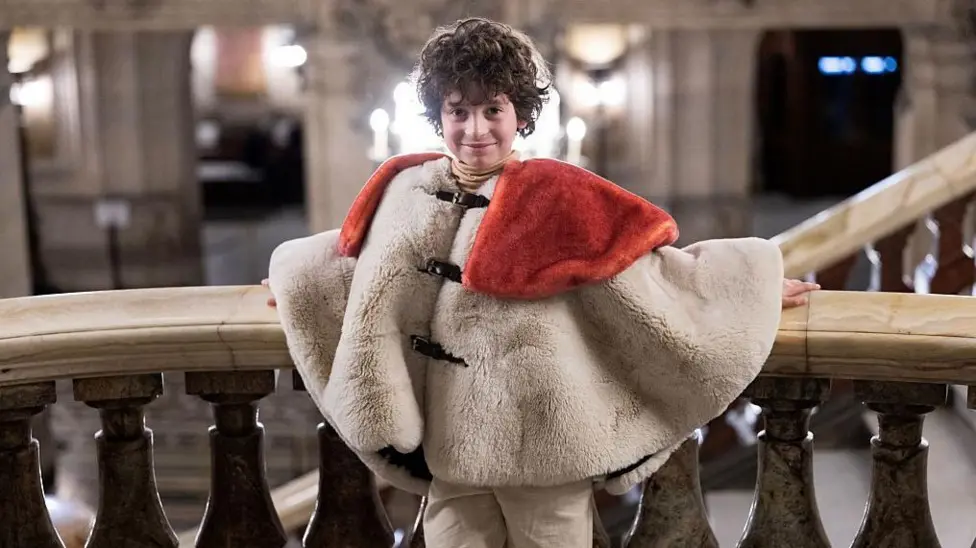
Join our Kids small group Speaking Classes to bring these and other topics to life Book a Free Trial < KIDS NEWS Art & Culture Next Select a Level Level 1 Level 2 Level 3 Level 4 NEW 21 Jun 2026 10 Year-Old Boy - Youngest Fashion Designer in Paris Warm-up → Read & Listen → Check Understanding → Language → Use It WARM UP Think Ahead: Which detail do you think appears in this story? a) A ten-year-old boy makes dresses. b) A cat becomes a model. c) A girl builds a flying car. Ask: (1) Do you like choosing your clothes? (2) What is your favourite colour to wear? VOCABULARY fashion (noun) designer (noun) sew (verb) famous (adjective) material (noun) creative (adjective) Clothing styles that are popular at a particular time. She loves talking about modern fashion. A person who plans and creates new things like clothes. Max is a very young designer. To join fabric together using a needle and thread. My grandmother taught me how to sew. Known by many people in different places. The young boy became famous online. Fabric or cloth used for making clothes. He uses recycled material for his dresses. Having good, original ideas to make something new. She has a creative mind for art. Max Alexander is an amazing ten-year-old boy from Los Angeles. He is a very special fashion designer who loves clothes. Max started to make clothes when he was only four years old. He learned how to sew beautiful dresses for people. Now, Max is very famous all around the world. Millions of people look at his pictures online. In March 2026, he travelled to France for Paris Fashion Week. He showed fifteen colourful dresses at a grand theatre in Paris. Many people watched his brilliant fashion show and clapped for him. Max does not want to hurt our green planet. He always uses recycled material to make his special clothes. For example, he saves old bags and parachutes to create new outfits. Max shows us that children can do big things. He works hard and follows his creative dreams every single day. Listen 00:00 / 00:44 Share Lesson DISCUSSION QUESTIONS 1. Would you like to see Max's fashion show? 2. What is your favourite outfit to wear to a party? 3. Do you think sewing is an easy or difficult hobby? 4. Why is it important to recycle old materials? 5. What is a big dream that you have for the future? 6. How can parents help their children learn new skills? BACK TO TOP Unlock All Lessons ($3.99/mo) 🚀 Want more exercises and a worksheet pdf? This content is for premium subscribers and tuition parents only! Subscribe for $3.99/mo to unlock. FILL IN THE GAPS FILL THE GAPS Section 1: Fill in the Gaps Word Bank: designer material sew famous Max Alexander is an amazing ten-year-old boy from Los Angeles. He is a very special fashion _______(1) who loves clothes. Max started to make clothes when he was only four years old. He learned how to _______(2) beautiful dresses for people. Now, Max is very _______(3) all around the world. Millions of people look at his pictures online. In March 2026, he travelled to France for Paris Fashion Week. He showed fifteen colourful dresses at a grand theatre in Paris. Many people watched his brilliant fashion show and clapped for him. Max does not want to hurt our green planet. He always uses recycled _______(4) to make his special clothes. For example, he saves old bags and parachutes to create new outfits. Max shows us that children can do big things. He works hard and follows his creative dreams every single day. Section 2: Main Idea Choose the best summary of the article. a) A young boy travels to Paris to buy expensive clothes. b) A talented ten-year-old boy shows his recycled dresses at a Paris fashion show. c) An American family moves to France to open a big theatre. UNDERSTANDING Section 3: True or False 1. Max started making clothes when he was ten years old. T/F 2. Max showed fifteen dresses in Paris. T/F 3. Max uses recycled things to make his outfits. T/F Section 4: Put Events in Order Put these milestones in the correct order from 1 to 3. a) Max travelled to France for Paris Fashion Week. b) Max started making clothes at four years old. c) Max made a special orange dress from an old parachute. LANGUAGE Section 5: Vocab Match 1. fashion 2. sew 3. famous 4. creative a) to join cloth with a needle and thread b) popular styles of clothing c) having excellent and original ideas d) known by millions of people USE IT Section 6: Discussion Builder 1. Max is a great designer because he is very _______ a) lazy b) creative c) angry 2. He uses recycled material because he wants to _______ a) protect the planet b) buy toys c) watch television Section 7: Sentence Unscramble Unscramble the words to make a sentence: A) ten-year-old B) Max C) a D) is E) boy 2. A) beautiful B) He C) sews D) dresses E) very SHOW ANSWERS BACK TO TOP ANSWER KEY Warm Up: Answer: a Section 1: 1. designer 2. sew 3. famous 4. material Section 2: Answer: b Section 3: 1. False 2. True 3. True Section 4: 1. b 2. a 3. c Section 5: 1. b 2. a 3. d 4. c Section 6: 1. b 2. a Section 7: 1. B - D - C - A - E (Max is a ten-year-old boy) 2. B - C - E - A - D (He sews very beautiful dresses) Section 8: Student's own answers. BACK TO TOP Suggest Feature Report an Error Close Thank you for your feedback! SUBMIT Report an error
- The Giant Sea Scorpion: A Prehistoric Ocean Monster | Level Up English Club
Join our Kids small group Speaking Classes to bring these and other topics to life Book a Free Trial < KIDS NEWS Science & Technology Next Select a Level Level 1 Level 2 Level 3 Level 4 NEW 17 Aug 2026 At roughly a meter long, Praearcturus gigas (illustrated) may have been the largest scorpion to ever exist. Franz Anthony The Giant Sea Scorpion: A Prehistoric Ocean Monster Warm-up → Read & Listen → Check Understanding → Language → Use It WARM UP Think Ahead: Which detail do you think appears in this story? a) Sea scorpions lived millions of years ago in the water. b) Sea scorpions flew in the sky like birds. c) Sea scorpions were smaller than a tiny ant. Ask: (1) Do you like learning about ancient ocean animals? (2) Would you be scared to see a giant creature in the water? VOCABULARY Scorpion (noun) Ocean (noun) Fossil (noun) Giant (adjective) Claw (noun) Ancient (adjective) Hunter (noun) An animal with pincers and a tail. Example: The scorpion lived in the water millions of years ago. A very large area of sea water. Example: Big animals swam across the ocean. The hard mark or bone of an old animal in a rock. Example: Scientists found a fossil in the stone. Very, very big in size. Example: A giant creature swam in the deep river. A sharp, curved part used by an animal to catch things. Example: The sea scorpion used its big claw to grab fish. From a very long time ago in history. Example: We can study ancient animals from old rocks. An animal that catches and eats other animals. Example: The sea creature was a fast hunter in the sea. Long ago, amazing animals lived in the deep water. Around 415 million years ago, a giant sea creature swam in the oceans. It was an ancient sea scorpion! Today, scorpions are small bugs that live on dry land. However, this ancient sea animal was bigger than a tall human. It grew up to two metres long. Scientists found a large fossil in the rocks. A fossil is the hard mark of a very old animal. This sea scorpion had two big claws to catch fish. It used these claws to grab smaller animals in the river or sea. It was a fast hunter in the water. This big sea scorpion did not walk on land. Instead, it used special flat legs like paddles to swim fast. Scientists are excited to learn more about this huge creature from the past! Listen 00:00 / 00:56 Share Lesson Just the 16-centimeter pincer of Praearcturus gigas (pictured) is larger than most modern scorpions. The Trustees of the Natural History Museum, London DISCUSSION QUESTIONS 1. How big was the ancient sea scorpion? 2. How did the sea scorpion swim through the water? 3. What did the sea scorpion use its claws for? 4. Would you like to dig for animal fossils in rocks? 5. Why do you think scientists study ancient ocean animals? BACK TO TOP Unlock All Lessons ($3.99/mo) 🚀 Want more exercises and a worksheet pdf? This content is for premium subscribers and tuition parents only! Subscribe for $3.99/mo to unlock. FILL IN THE GAPS FILL THE GAPS Section 1: Fill in the Gaps Word Bank: ancient, claws, fossil, giant Long ago, amazing animals lived in the deep water. Around 415 million years ago, a _______(1) sea creature swam in the oceans. It was an _______(2) sea scorpion! Today, scorpions are small bugs that live on dry land. However, this ancient sea animal was bigger than a tall human. It grew up to two metres long. Scientists found a large _______(3) in the rocks. A fossil is the hard mark of a very old animal. This sea scorpion had two big _______(4) to catch fish. It used these claws to grab smaller animals in the river or sea. It was a fast hunter in the water. This big sea scorpion did not walk on land. Instead, it used special flat legs like paddles to swim fast. Scientists are excited to learn more about this huge creature from the past! Section 2: Main Idea What is the main idea of this story? a) Ancient sea scorpions were giant ocean hunters that lived long ago. b) Modern scorpions like to swim in deep river water. c) Scientists found a small bird living inside an old rock. UNDERSTANDING Section 3: True or False 1. The ancient sea scorpion lived in the water around 415 million years ago. T/F 2. The giant sea scorpion was smaller than a tiny ant. T/F 3. The sea scorpion used flat legs like paddles to swim fast. T/F Section 4: Put Events in Order Put the following events in order from 1 to 3: _____ The giant sea scorpion lived and hunted in ancient rivers and oceans. _____ Over millions of years, the creature became a fossil in the rock. _____ Scientists found the fossil and learned about the huge animal. LANGUAGE Section 5: Vocab Match 1. Ocean 2. Fossil 3. Giant 4. Claw 5. Ancient a) Very, very big in size. b) A sharp part used by an animal to grab things. c) A very large area of sea water. d) From a time very long ago. e) The hard mark of an old animal kept in rock. USE IT Section 6: Discussion Builder Choose the best word to complete each sentence: 1. The sea scorpion used its big _______ to grab fish. a) claw b) sky c) plant 2. Scientists found an old _______ in a large rock. a) fossil b) tree c) boat Section 7: Sentence Unscramble Put the parts in the correct order to make a sentence: 1. A) The giant B) swam C) sea scorpion D) in the E) ocean. 2. A) It used B) its big claws C) to catch D) small E) fish. SHOW ANSWERS BACK TO TOP ANSWER KEY Warm Up Answer: a) Sea scorpions lived millions of years ago in the water. Section 1: Fill in the Gaps (1) giant (2) ancient (3) fossil (4) claws Section 2: Main Idea a) Ancient sea scorpions were giant ocean hunters that lived long ago. Section 3: True or False True False True Section 4: Put Events in Order The giant sea scorpion lived and hunted in ancient rivers and oceans. Over millions of years, the creature became a fossil in the rock. Scientists found the fossil and learned about the huge animal. Section 5: Vocab Match 1 - c 2 - e 3 - a 4 - b 5 - d Section 6: Discussion Builder a) claw a) fossil Section 7: Sentence Unscramble A - C - B - D - E (The giant sea scorpion swam in the ocean.) A - B - C - D - E (It used its big claws to catch small fish.) Section 8: Discussion Questions Student's own answers. BACK TO TOP Suggest Feature Report an Error Close Thank you for your feedback! SUBMIT Report an error
- Buckingham Palace Opens Balcony Room to the Public for the First Time | Level Up English Club
Join our Kids small group Speaking Classes to bring these and other topics to life Book a Free Trial < KIDS NEWS World Next Select a Level Level 1 Level 2 Level 3 Level 4 NEW 13 Jul 2026 Buckingham Palace, in central London, is currently undergoing a 10-year, $488 million renovation. (Chris Jackson/Getty Images) Buckingham Palace Opens Balcony Room to the Public for the First Time Warm-up → Read & Listen → Check Understanding → Language → Use It WARM UP Think Ahead: Which detail do you think appears in this story? a) A secret swimming pool inside a castle b) A famous royal room behind a balcony c) A magical dragon living under the palace Ask: (1) Have you ever seen a real palace or castle? (2) What do you think it looks like inside a king's house? VOCABULARY palace (noun) tourist (noun) balcony (noun) famous (adjective) royal (adjective) special (adjective) A large, beautiful house where a king or queen lives. Example: The King lives in a grand palace in London. A person who travels to a place for holiday. Example: Many tourists take photos of the big castle. A platform on the outside wall of a building where you can stand. Example: The family stood on the balcony to wave goodbye. Known or recognized by many people. Example: London is a famous city with many old buildings. Belonging to or connected with a king or queen. Example: The royal family had a big dinner last night. Not ordinary or usual; different and important. Example: Today is a special day because it is my birthday. Buckingham Palace is a very famous building in London. It is the official home of the British King. Every summer, many tourists from all over the world visit this beautiful place. Now, people can see a special new area for the first time. This area is called the East Wing. Inside the East Wing, visitors can walk into a grand room. This room is right behind the famous balcony. The royal family stands on this balcony during big celebrations to wave at the crowds. Visitors cannot step outside onto the balcony, but they can look through the lovely net curtains. They can see the long road called The Mall. Visitors can also look at beautiful old things inside the rooms. There are colourful Chinese pots and a large lamp shaped like a lotus flower. It is very exciting for people to see this secret part of the palace. Listen 00:00 / 00:58 Share Lesson The palace has a ballroom open for banquets, receptions, garden parties and private audiences. (Peter Macdiarmid/Getty Images) DISCUSSION QUESTIONS (1) Would you like to visit Buckingham Palace one day? (2) Why do you think many tourists like to see where the King lives? (3) If you had a big balcony on your house, what would you do? (4) What is the most famous building in your country? (5) Do you prefer looking at old historic paintings or modern art? (6) If you could design a special room in a palace, what would you put inside it? BACK TO TOP Unlock All Lessons ($3.99/mo) 🚀 Want more exercises and a worksheet pdf? This content is for premium subscribers and tuition parents only! Subscribe for $3.99/mo to unlock. FILL IN THE GAPS FILL THE GAPS Section 1: Fill in the Gaps Word Bank: palace, tourists, balcony, royal Buckingham _______(1) is a very famous building in London. It is the official home of the British King. Every summer, many _______(2) from all over the world visit this beautiful place. Now, people can see a special new area for the first time. This area is called the East Wing. Inside the East Wing, visitors can walk into a grand room. This room is right behind the famous _______(3). The _______(4) family stands on this balcony during big celebrations to wave at the crowds. Visitors cannot step outside onto the balcony, but they can look through the lovely net curtains. They can see the long road called The Mall. Visitors can also look at beautiful old things inside the rooms. There are colourful Chinese pots and a large lamp shaped like a lotus flower. It is very exciting for people to see this secret part of the palace. Section 2: Main Idea What is the main idea of this news story? a) The British King is moving to a new house outside London. b) Visitors can now tour a special room behind the palace balcony for the first time. c) Tourists can now step outside onto the palace balcony to wave at people. UNDERSTANDING Section 3: True or False (1) Buckingham Palace is located in Paris. T/F (2) Visitors are allowed to step outside onto the central balcony. T/F (3) Inside the rooms, visitors can see a large lamp shaped like a lotus flower. T/F Section 4: Put Events in Order Put the following events in the correct order from 1 to 3: ( ) The East Wing area opens to public visitors for the first time. ( ) The palace was built and became the official home of the British King. ( ) Tourists visit the palace rooms and look through the net curtains of the balcony. LANGUAGE Section 5: Vocab Match (1) palace (2) tourist (3) balcony (4) royal a) A platform on the outside of a building b) Connected to a king or queen c) A person visiting a place on holiday d) A large building where a monarch lives USE IT Section 6: Discussion Builder Choose the best word to complete the sentence. (1) The King waved to the crowds from the palace ______. a) balcony b) garden c) kitchen (2) Many ______ visit London every summer to see the famous buildings. a) kings b) tourists c) rooms Section 7: Sentence Unscramble Unscramble the words to make correct sentences. (1) A) famous B) is C) building D) a E) the palace (2) A) look B) through C) they D) the curtains E) can SHOW ANSWERS BACK TO TOP ANSWER KEY Section: Warm Up Answer: b Section 1: Fill in the Gaps: (1) palace, (2) tourists, (3) balcony, (4) royal Section 2: Main Idea: b Section 3: True or False: (1) False, (2) False, (3) True Section 4: Put Events in Order: 2, 1, 3 Section 5: Vocab Match: (1) d, (2) c, (3) a, (4) b Section 6: Discussion Builder: (1) a, (2) b Section 7: Sentence Unscramble: (1) The palace is a famous building. / E-B-D-A-C (2) They can look through the curtains. / C-E-A-B-D Section 8: Discussion Questions: Student answers will vary. BACK TO TOP Suggest Feature Report an Error Close Thank you for your feedback! SUBMIT Report an error
- Lost Turtle Rhossi Returns Home From 5000 Miles Away | Level Up English Club
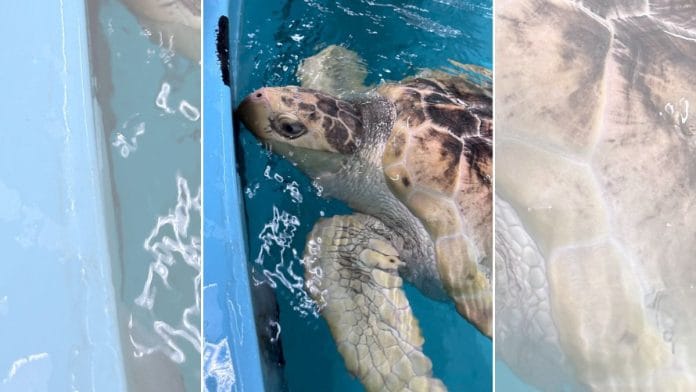
Join our Kids small group Speaking Classes to bring these and other topics to life Book a Free Trial < KIDS NEWS Animals & Environment Next Select a Level Level 1 Level 2 Level 3 Level 4 NEW 1 Sept 2026 Rhossi’s journey is an extreme example of how far a young Kemp's ridley turtle can travel from its natural habitat in the Gulf of Mexico | X/@angleseyseazoo Lost Turtle Rhossi Returns Home From 5000 Miles Away Warm-up → Read & Listen → Check Understanding → Language → Use It WARM UP Think Ahead: Which detail do you think appears in this story? a) A small turtle travels on a big airplane across the ocean. b) A sea turtle returns to the ocean after two years of help. c) A turtle lives in a zoo with pandas and monkeys. Ask: (1) Do you like sea animals? (2) How can people help hurt animals? VOCABULARY turtle (/ˈtɜː.təl/ , noun) Meaning: A reptile with a hard shell that lives in water or on land. Example: The tiny turtle swims in the blue water. rescue (/ˈres.kjuː/ , verb) Meaning: To save someone or something from danger. Example: Kind people rescue the lost dog in the rain. ocean (/ˈəʊ.ʃən/ , noun) Meaning: A very large area of salty sea water. Example: Whales and fish live in the big ocean. travel (/ˈtræv.əl/ , verb) Meaning: To go from one place to another place. Example: We travel to the beach every summer. healthy (/ˈhel.θi/ , adjective) Meaning: Strong and not sick. Example: Eating fresh fruit keeps your body healthy. home (/həʊm/ , noun) Meaning: The place where an animal or person lives. Example: The forest is a peaceful home for birds. Rhossi is a Kemp's ridley sea turtle. This special sea turtle is very rare. Two years ago, Rhossi is cold and sick. People find her far from her warm ocean home. Kind helpers rescue her quickly. They take her to a big animal hospital. Doctors look after Rhossi every day. She gets good food and medicine. Slowly, Rhossi becomes strong and happy. Her shell is hard again. Now, she is very healthy and ready for a big adventure. Rhossi needs to travel 8,000 kilometres back home. She travels to the warm Gulf of Mexico. Helpers put her into the blue ocean water. Rhossi swims away fast. She is back in her real ocean home at last! Listen 00:00 / 00:43 Share Lesson DISCUSSION QUESTIONS (1) Why is Rhossi a special sea turtle? (2) How do helpers help Rhossi when she is sick? (3) Where is Rhossi's warm ocean home? (4) Would you like to help sick animals at a hospital? (5) Why is it important to protect sea turtles? BACK TO TOP Unlock All Lessons ($3.99/mo) 🚀 Want more exercises and a worksheet pdf? This content is for premium subscribers and tuition parents only! Subscribe for $3.99/mo to unlock. FILL IN THE GAPS FILL THE GAPS Section 1: Fill in the Gaps Word Bank: healthy, ocean, rescue, travel Rhossi is a Kemp's ridley sea turtle. This special sea turtle is very rare. Two years ago, Rhossi is cold and sick. People find her far from her warm ocean home. Kind helpers _______(1) her quickly. They take her to a big animal hospital. Doctors look after Rhossi every day. She gets good food and medicine. Slowly, Rhossi becomes strong and happy. Her shell is hard again. Now, she is very _______(2) and ready for a big adventure. Rhossi needs to _______(3) 8,000 kilometres back home. She travels to the warm Gulf of Mexico. Helpers put her into the blue _______(4) water. Rhossi swims away fast. She is back in her real ocean home at last! Section 2: Main Idea What is the main idea of this story? a) A turtle learns how to fly in an airplane. b) A rescued sea turtle gets healthy and returns to the ocean. c) Doctors build a new hospital for sea turtles. UNDERSTANDING Section 3: True or False 1. Rhossi was cold and sick two years ago. T/F 2. Rhossi stayed at the hospital for ten years. T/F 3. Rhossi swims back into the Gulf of Mexico. T/F Section 4: Put Events in Order Put these events in order from 1 to 3: ( ) Helpers release Rhossi into the blue ocean. ( ) Rhossi gets cold and sick far from home. ( ) Doctors give Rhossi food and medicine to make her strong. LANGUAGE Section 5: Vocab Match 1. turtle 2. rescue 3. ocean 4. healthy 5. travel a) to save someone from danger b) strong and not sick c) a reptile with a hard shell d) to go from one place to another e) a very large area of salty sea water USE IT Section 6: Discussion Builder Choose the correct word to complete the sentence: 1. Kind people _______ the sick sea animal from danger. a) rescue b) fly c) sleep 2. Fish swim freely in the big blue ______. a) box b) ocean c) house Section 7: Sentence Unscramble Unscramble the words to make correct sentences: 1. [is] [A] [the ocean] [in] [turtle] [swimming] 2. [healthy] [The] [turtle] [is] [now] SHOW ANSWERS BACK TO TOP ANSWER KEY Warm Up Answer: b Section 1: (1) rescue, (2) healthy, (3) travel, (4) ocean Section 2: b Section 3: 1. T, 2. F, 3. T Section 4: 3, 1, 2 Section 5: 1-c, 2-a, 3-e, 4-b, 5-d Section 6: 1-a, 2-b Section 7: 1. A turtle is swimming in the ocean. 2. The turtle is now healthy. Section 8: Open discussion based on student opinions. BACK TO TOP Suggest Feature Report an Error Close Thank you for your feedback! SUBMIT Report an error
- Neil the Famous Elephant Seal Causes Chaos in Tasmania | Level Up English Club
Join our Kids small group Speaking Classes to bring these and other topics to life Book a Free Trial < KIDS NEWS Animals & Environment Next Select a Level Level 1 Level 2 Level 3 Level 4 NEW 9 Jul 2026 In this photo provided by Sam Volker Photography, Neil the Seal, a 1,000 kg (2,200 pound) elephant seal, moves through an area with traffic cones and bollards in Tasmania, Australia, June 27, 2026. (Sam Volker Photography via AP) Neil the Famous Elephant Seal Causes Chaos in Tasmania Warm-up → Read & Listen → Check Understanding → Language → Use It WARM UP Think Ahead: Which detail do you think appears in this story? a) A giant sea seal that blocks city roads in Australia b) A small penguin that lives inside an Australian library c) A clever dolphin that can paint beautiful pictures Ask: (1) Have you ever seen a large seal or sea animal? (2) What problems can wild animals cause if they visit a town? VOCABULARY Coast (noun) Famous (adjective) Heavy (adjective) Block (verb) Safe (adjective) Town (noun) The land next to or close to the sea. Example: The seal swam to the coast to rest. Known by many people. Example: Neil is a famous seal with many fans online. Weighing a lot. Example: The large animal is very heavy. To stop something from moving past. Example: Do not block the road with your car. Not in danger. Example: It is important to keep a safe distance. A place where people live that is larger than a village. Example: Neil visited a small town in Australia. Neil is a famous southern elephant seal. He lives in the sea near Australia. Twice a year, Neil swims to the coast of Tasmania. He likes to rest in a small town. Neil is five years old now. He is very heavy. He weighs 1,000 kilograms! This is the same weight as a small car. Neil likes to play, but he causes problems. He lies down in the middle of the road. He can block the traffic. Neil also bumps into cars and breaks fences. Many people love Neil. He has 1.4 million followers on TikTok. People travel to see him. But wildlife experts say Neil is a wild animal. They ask people to stay far away. Visitors must keep a safe distance so everyone stays happy. Listen 00:00 / 00:53 Share Lesson In this photo provided by Sam Volker Photography, Neil the Seal, a 1,000 kg (2,200 pound) elephant seal, rests against a sign post as moves through an area in Tasmania, Australia, on June 27, 2026. (Sam Volker Photography via AP) DISCUSSION QUESTIONS 1. Would you like to see Neil the seal in your town? Why or why not? 2. Why do you think Neil likes to lie down in the middle of roads? 3. Is a small car heavier or lighter than a 1,000-kilogram seal? 4. Why should people avoid getting too close to wild animals? 5. What is your favourite sea animal, and where does it live? 6. How can social media apps like TikTok help or hurt wild animals? BACK TO TOP Unlock All Lessons ($3.99/mo) 🚀 Want more exercises and a worksheet pdf? This content is for premium subscribers and tuition parents only! Subscribe for $3.99/mo to unlock. FILL IN THE GAPS FILL THE GAPS Section 1: Fill in the Gaps Word Bank: block, coast, famous, heavy Neil is a _______(1) southern elephant seal. He lives in the sea near Australia. Twice a year, Neil swims to the _______(2) of Tasmania. He likes to rest in a small town. Neil is five years old now. He is very _______(3). He weighs 1,000 kilograms! This is the same weight as a small car. Neil likes to play, but he causes problems. He lies down in the middle of the road. He can _______(4) the traffic. Neil also bumps into cars and breaks fences. Many people love Neil. He has 1.4 million followers on TikTok. People travel to see him. But wildlife experts say Neil is a wild animal. They ask people to stay far away. Visitors must keep a safe distance so everyone stays happy. Section 2: Main Idea Which sentence best describes the main idea of the article? a) A heavy seal named Neil visits Tasmanian towns and needs space from fans. b) People in Tasmania are building fences to protect a small seal colony. c) TikTok stars are travelling to Australia to swim with elephant seals. UNDERSTANDING Section 3: True or False Neil is a five-year-old elephant seal. T/F Neil weighs less than a standard bicycle. T/F Experts want people to stay close to Neil for photographs. T/F Section 4: Put Events in Order Put the events in the correct order from 1 to 3. a) Neil lies down in the middle of the road and blocks the local traffic. b) Neil swims away from the open sea and arrives at the coast of Tasmania. c) Wildlife experts ask visitors to keep a safe distance from the wild seal. LANGUAGE Section 5: Vocab Match 1. Coast 2. Famous 3. Heavy 4. Block a) Weighing a lot and difficult to lift b) To stop movement or close a path c) The area where land meets the sea d) Well-known by a large number of people USE IT Section 6: Discussion Builder Choose the correct option to complete the sentences. 1. The local roads were closed because a large seal decided to _______ the path. a) swim b) block c) save d) look 2. Neil became very _______ after millions of people watched his videos online. a) famous b) heavy c) safe d) small Section 7: Sentence Unscramble Unscramble the words to make complete sentences. 1. A) famous B) a C) seal D) Neil E) is 2. A) must B) people C) away D) stay E) far SHOW ANSWERS BACK TO TOP ANSWER KEY Warm Up Answer: a Section 1: Fill in the Gaps famous coast heavy block Section 2: Main Idea Answer: a Section 3: True or False True False False Section 4: Put Events in Orde r 2, 1, 3 Section 5: Vocab Match 1 - c, 2 - d, 3 - a, 4 - b Section 6: Discussion Builder b a Section 7: Sentence Unscramble Neil is a famous seal. (D, E, B, A, C) People must stay far away. (B, A, D, E, C) Section 8: Discussion Questions Student answers will vary. BACK TO TOP Suggest Feature Report an Error Close Thank you for your feedback! SUBMIT Report an error
- Spain's Famous La Tomatina Food Fight Brings Red Fun to Buñol | Level Up English Club
Join our Kids small group Speaking Classes to bring these and other topics to life Book a Free Trial < KIDS NEWS Art & Culture Next Select a Level Level 1 Level 2 Level 3 Level 4 NEW 3 Sept 2026 Revelers throw tomatoes at each other during the annual "Tomatina" tomato fight fiesta, in the village of Bunol near Valencia, Spain, Wednesday, Aug. 26, 2026. (AP Photo/Alberto Saiz) Spain's Famous La Tomatina Food Fight Brings Red Fun to Buñol Warm-up → Read & Listen → Check Understanding → Language → Use It WARM UP Think Ahead: Which detail do you think appears in this story? a) People throw tomatoes in a street fight. b) People throw apples in a park fight. c) People throw watermelons at the beach. Ask: (1) Do you like messy games? (2) Have you ever seen a big street festival? VOCABULARY festival (/ˈfes.tɪ.vəl/ , noun) Meaning: A happy time when people celebrate special events together. Example: The village holds a fun festival every summer. truck (/trʌk/ , noun) Meaning: A large motor vehicle used to carry heavy things. Example: A big truck arrives with lots of ripe fruit. squishy (/ˈskwɪʃ.i/ , adjective) Meaning: Soft and easy to press or crush. Example: The wet red tomato is very squishy. crowd (/kraʊd/ , noun) Meaning: A large group of people gathered together. Example: A happy crowd cheers in the narrow street. hoses (/həʊzɪz/ , noun) Meaning: Long flexible tubes that spray water. Example: Firefighters use hoses to clean the village walls. goggles (/ˈɡɒɡ.əlzo/ , noun) Meaning: Special glasses that protect your eyes. Example: Children wear goggles to keep juice out of their eyes. Many people visit Buñol in Spain today. They are celebrating a famous festival called La Tomatina. Big trucks carry red tomatoes into the crowded streets. The tomatoes are soft and very squishy. People squash the tomatoes first. Then they throw them at each other. Soon, the street becomes a bright red river of tomato juice. Everyone wears goggles to protect their eyes. This fun fight lasts for one hour. A loud signal stops the food fight. People laugh and take photos together. Big fire hoses spray clean water on the dirty streets. The walls become very clean again quickly! Listen 00:00 / 00:38 Share Lesson Revelers throw tomatoes at each other during the annual “Tomatina” tomato fight fiesta, in the village of Bunol near Valencia, Spain, Wednesday, Aug. 26, 2026. (AP Photo/Alberto Saiz) DISCUSSION QUESTIONS (1) Would you like to take part in La Tomatina? (2) Why do you think people squash the tomatoes before throwing them? (3) What clothes would you wear to a messy food fight? (4) How do the workers clean the streets after the festival? (5) Do you have any fun festivals in your country? BACK TO TOP Unlock All Lessons ($3.99/mo) 🚀 Want more exercises and a worksheet pdf? This content is for premium subscribers and tuition parents only! Subscribe for $3.99/mo to unlock. FILL IN THE GAPS FILL THE GAPS Section 1: Fill in the Gaps Word Bank: crowd, festival, squishy, truck Many people visit Buñol in Spain today. They are celebrating a famous _______(1) called La Tomatina. Big _______(2) carry red tomatoes into the crowded streets. The tomatoes are soft and very _______(3). People squash the tomatoes first. Then they throw them at each other. Soon, the street becomes a bright red river of tomato juice. Everyone wears goggles to protect their eyes. This fun fight lasts for one hour. A loud signal stops the food fight. A happy _______(4) laughs and takes photos together. Big fire hoses spray clean water on the dirty streets. The walls become very clean again quickly! Section 2: Main Idea What is the main idea of this story? a) People in Spain plant tomatoes in summer. b) People in Buñol celebrate a fun tomato food fight festival. c) Firefighters use hoses to paint red walls. UNDERSTANDING Section 3: True or False (1) La Tomatina takes place in Spain. T/F (2) The tomato fight lasts for five hours. T/F (3) Workers clean the streets with fire hoses. T/F Section 4: Put Events in Order Put these events in order (1-3): [ ] Big trucks carry tomatoes into the streets. [ ] Fire hoses spray water to clean the streets. [ ] People squash and throw tomatoes for one hour. LANGUAGE Section 5: Vocab Match (1) festival (2) truck (3) squishy (4) goggles (5) hoses a) soft and easy to press b) tubes that spray water c) glasses that protect eyes d) a big vehicle for carrying heavy things e) a happy celebration event USE IT Section 6: Discussion Builder (1) The streets are very ______ during the festival. a) crowded b) quiet (2) People wear goggles to ______ their eyes. a) protect b) wash Section 7: Sentence Unscramble Unscramble the words to make complete sentences: (1) A: carry / B: trucks / C: tomatoes / D: big / E: red (2) A: fight / B: lasts / C: one / D: the / E: hour SHOW ANSWERS BACK TO TOP ANSWER KEY Warm Up Answer: a Section 1: Fill in the Gaps (1) festival (2) truck (3) squishy (4) crowd Section 2: Main Idea b Section 3: True or False (1) T (2) F (3) T Section 4: Put Events in Order [1] Big trucks carry tomatoes into the streets. [3] Fire hoses spray water to clean the streets. [2] People squash and throw tomatoes for one hour. Section 5: Vocab Match (1) e (2) d (3) a (4) c (5) b Section 6: Discussion Builder (1) a (2) a Section 7: Sentence Unscramble (1) Big trucks carry red tomatoes. (D-B-A-E-C) (2) The fight lasts one hour. (D-A-B-C-E) Section 8: Discussion Questions Student's own answers based on the article. BACK TO TOP Suggest Feature Report an Error Close Thank you for your feedback! SUBMIT Report an error
- The Delicious, Global Journey of Spinning Meats | Level Up English Club
Join our Kids small group Speaking Classes to bring these and other topics to life Book a Free Trial < KIDS NEWS Sports & Travel Next Select a Level Level 1 Level 2 Level 3 Level 4 NEW 12 Jul 2026 A server cuts from a large spit of meat that's roasting in a food stand in the municipal market in Mérida, Mexico. (Jorge Fernández/LightRocket/Getty Images) The Delicious, Global Journey of Spinning Meats Warm-up → Read & Listen → Check Understanding → Language → Use It WARM UP Think Ahead: Which detail do you think appears in this story? a) Meat that spins next to a fire b) A large oven that travels on wheels c) Ice cream made with strange fruit flavours Ask: (1) Have you ever seen meat cooking in a shop window? (2) Do you like trying food from other countries? VOCABULARY Spin (verb) Meat (noun) Famous (adjective) Cook (verb) World (noun) Shop (noun) To turn around and around quickly. The wheel began to spin fast. The flesh of an animal used as food. We bought meat for dinner. Known by many people all over the earth. This clever chef is famous for his food. To prepare food by using heat. My father likes to cook delicious meals. The earth with all its countries and people. Football is popular all around the world. A place where you can buy things. There is a sweet shop near my school. Do you like tasty food? Many people love vertical spinning meat. This special way of cooking began a long time ago in Turkey. A clever man decided to turn the meat upright. He let it spin next to a fire. When the meat turned, the tasty juices stayed inside. This made the meat very soft and full of flavour. Today, this spinning food is famous all around the world. People in different countries enjoy it in many ways. In Greece, people eat it with flatbread and white sauce. In Mexico, they put sweet pineapple on top of the meat. You can find a happy spinning food shop in almost every big city now. It is a wonderful treat for children and families to share. It shows how a simple idea can travel far and make millions of people smile. Listen 00:00 / 00:52 Share Lesson Eateries selling döner kebap line streets near Taksim square in Istanbul. (theendup/Alamy Stock Photo) DISCUSSION QUESTIONS 1. Have you ever seen meat spinning in a shop? 2. Do you like to eat flatbread? 3. What is your favourite type of dinner? 4. Would you like to try spinning meat with pineapple? 5. Why do you think the meat stays soft when it spins? 6. Who cooks the most delicious food in your home? BACK TO TOP Unlock All Lessons ($3.99/mo) 🚀 Want more exercises and a worksheet pdf? This content is for premium subscribers and tuition parents only! Subscribe for $3.99/mo to unlock. FILL IN THE GAPS FILL THE GAPS Section 1: Fill in the Gaps Word Bank: spinning, flavour, famous, shop Do you like tasty food? Many people love vertical _______(1) meat. This special way of cooking began a long time ago in Turkey. A clever man decided to turn the meat upright. He let it spin next to a fire. When the meat turned, the tasty juices stayed inside. This made the meat very soft and full of _______(2). Today, this spinning food is _______(3) all around the world. People in different countries enjoy it in many ways. In Greece, people eat it with flatbread and white sauce. In Mexico, they put sweet pineapple on top of the meat. You can find a happy spinning food _______(4) in almost every big city now. It is a wonderful treat for children and families to share. It shows how a simple idea can travel far and make millions of people smile. Section 2: Main Idea Which option best describes the main idea of the article? a) How pineapple grows in Mexico. b) The history and global popularity of vertical spinning meat. c) Why people like to visit Turkey for holidays. UNDERSTANDING Section 3: True or False 1. Vertical spinning meat started in Turkey. T/F 2. The juices leave the meat dry when it spins. T/F 3. In Mexico, people add pineapple to the meat. T/F Section 4: Put Events in Order Put the following events in the correct order from 1 to 3: A) A clever man in Turkey turns the meat upright to spin next to a fire. B) The popular spinning meat food spreads to Greece and Mexico. C) You can easily find a spinning meat shop in cities today. LANGUAGE Section 5: Vocab Match 1. Spin 2. Famous 3. Flavour 4. Shop a) A place where you can buy things b) Known by many people c) To turn around and around quickly d) The taste of food or drink USE IT Section 6: Discussion Builder 1. I think spinning meat looks very _______ because it turns around slowly. a) tasty b) cold c) sad d) blue 2. My family likes to buy food from a local _______ on Fridays. a) river b) shop c) forest d) mountain Section 7: Sentence Unscramble Unscramble the words to make complete sentences: 1. A) meat / B) The / C) slowly / D) spins / E) round 2. A) love / B) Children / C) food / D) tasty / E) this SHOW ANSWERS BACK TO TOP ANSWER KEY Warm Up Answer: a Section 1: Fill in the Gaps spinning flavour famous shop Section 2: Main Idea Answer: b Section 3: True or False True False True Section 4: Put Events in Order A B C Section 5: Vocab Match c b d a Section 6: Discussion Builder a b Section 7: Sentence Unscramble B, A, C, D, E (The meat slowly spins round) B, A, E, D, C (Children love this tasty food) Section 8: Discussion Questions Student answers will vary. BACK TO TOP Suggest Feature Report an Error Close Thank you for your feedback! SUBMIT Report an error
- Switzerlands Famous Saint Bernard Dog's New Mission | Level Up English Club
Join our Kids small group Speaking Classes to bring these and other topics to life Book a Free Trial < KIDS NEWS Animals & Environment Next Select a Level Level 1 Level 2 Level 3 Level 4 NEW 5 Jul 2026 Switzerlands Famous Saint Bernard Dog's New Mission Warm-up → Read & Listen → Check Understanding → Language → Use It WARM UP Think Ahead: Which detail do you think appears in this story? a) Saint Bernard dogs are learning to fly rescue helicopters. b) Saint Bernard dogs are visiting hospitals and schools to help people. c) Saint Bernard dogs are moving to dynamic new homes in the desert. Ask: (1) Have you ever seen a very large dog breed? (2) What kinds of jobs can dogs do to help humans? VOCABULARY famous (adj) rescue (verb) mountain (noun) gentle (adj) hospital (noun) history (noun) known by many people Example: The Eiffel Tower is a very famous monument in Paris. to save someone from danger Example: Firefighters rescue people and animals from burning buildings. a very high hill Example: We climbed up the mountain and saw the beautiful snow. kind and calm Example: The volunteer gave the gentle rabbit a piece of sweet carrot. a place where sick people get well Example: My grandfather stayed in the hospital for three days. stories from the past Example: Our teacher told us a fascinating story about the history of Rome. Saint Bernard dogs are very famous in Switzerland. For hundreds of years, these large dogs lived high up in the cold mountains. They worked hard to rescue people who were lost in the snow. Today, helicopters do this dangerous job instead of the dogs. But the gentle Saint Bernards still have an important mission. An organisation called the Barry Foundation looks after them. Now, the dogs travel to schools and hospitals to help people. Spending time with these friendly dogs makes sick children and lonely older people feel very happy. Visitors can also see them at a special museum called Barryland. The museum is getting bigger so more people can learn about the history of these wonderful animals. The Saint Bernard is still a national symbol of Switzerland, but now it rescues people with love and kindness. Listen 00:00 / 00:57 Share Lesson DISCUSSION QUESTIONS 1. Would you like to visit the Barryland museum to see the puppies? 2. Why do you think large dogs can make people feel happy and safe? 3. What other animals help humans in hospitals or schools? 4. Do you prefer big dogs or small dogs, and why? 5. How do you think dogs feel when they help people? 6. Why is it important to learn about the history of animals? BACK TO TOP Unlock All Lessons ($3.99/mo) 🚀 Want more exercises and a worksheet pdf? This content is for premium subscribers and tuition parents only! Subscribe for $3.99/mo to unlock. FILL IN THE GAPS FILL THE GAPS Section 1: Fill in the Gaps Word Bank: famous, rescue, gentle, history Saint Bernard dogs are very _______(1) in Switzerland. For hundreds of years, these large dogs lived high up in the cold mountains. They worked hard to _______(2) people who were lost in the snow. Today, helicopters do this dangerous job instead of the dogs. But the _______(3) Saint Bernards still have an important mission. An organisation called the Barry Foundation looks after them. Now, the dogs travel to schools and hospitals to help people. Spending time with these friendly dogs makes sick children and lonely older people feel very happy. Visitors can also see them at a special museum called Barryland. The museum is getting bigger so more people can learn about the _______(4) of these wonderful animals. The Saint Bernard is still a national symbol of Switzerland, but now it rescues people with love and kindness. Section 2: Main Idea What is the main idea of this text? a) Helicopters are better at saving people than dogs. b) Saint Bernard dogs have a new job helping people in schools and hospitals. c) The Barryland museum is closing down its animal exhibits. UNDERSTANDING Section 3: True or False 1. Saint Bernard dogs still do most of the mountain rescue work today. T/F 2. The Barry Foundation is the name of the organisation that looks after the dogs. T/F 3. The Barryland museum is getting smaller. T/F Section 4: Put Events in Order Put these sentences in the correct chronological order from 1 to 3: a) Helicopters started doing dangerous rescue jobs in the Swiss mountains. b) Saint Bernard dogs worked hard to find and save people lost in deep snow. c) The special museum called Barryland began expanding its buildings for visitors. LANGUAGE Section 5: Vocab Match 1. famous 2. rescue 3. mountain 4. gentle a) a very high hill b) kind and calm c) known by many people d) to save someone from danger USE IT Section 6: Discussion Builder 1. I want to visit the museum because I love learning about animal _______ a) rescue b) history c) gentle d) hospital 2. The large dog was very _______ when it walked near the tiny baby. a) famous b) mountain c) history d) gentle Section 7: Sentence Unscramble 1. Unscramble the sentence parts: A) dogs / B) are / C) Saint Bernard / D) famous / E) very 2. Unscramble the sentence parts: A) help / B) gentle / C) people / D) dogs / E) These SHOW ANSWERS BACK TO TOP ANSWER KEY Section: Warm Up Answer: b Section 1: 1. famous, 2. rescue, 3. gentle, 4. history Section 2: Answer: b Section 3: 1. False, 2. True, 3. False Section 4: 1. b, 2. a, 3. c Section 5: 1-c, 2-d, 3-a, 4-b Section 6: 1. b, 2. d Section 7: 1. C-B-E-D-A, 2. E-B-D-A-C Section 8: Student options will vary. BACK TO TOP Suggest Feature Report an Error Close Thank you for your feedback! SUBMIT Report an error
- The Clever AI Coach That Teaches Us How to Really Listen | Level Up English Club
Join our Kids small group Speaking Classes to bring these and other topics to life Book a Free Trial < KIDS NEWS Science & Technology Next Select a Level Level 1 Level 2 Level 3 Level 4 NEW 22 Jul 2026 The Clever AI Coach That Teaches Us How to Really Listen Warm-up → Read & Listen → Check Understanding → Language → Use It WARM UP Think Ahead: Which detail do you think appears in this story? a) A computer that tells you when to listen b) A robot that does your school homework c) A machine that teaches you how to sing Ask: (1) Do you think you are a good listener? (2) Why is it important to listen to your friends? VOCABULARY programme (noun) clever (adjective) helper (noun) share (verb) behaviour (noun) carefully (adverb) A set of instructions given to a computer to make it do something. Example: Our school uses a special computer programme for English games. Quick at learning and understanding things. Example: The clever dog knows how to open the door. A person or thing that helps someone. Example: My older brother is a great helper when I paint. To give a part of something to others or let them use it. Example: It is kind to share your toys with your friends. The way that a person or animal acts. Example: The teacher was very happy with the classroom behaviour today. With great attention to avoid mistakes or damage. Example: Please carry the glasses carefully so they do not break. Do you want to be a good friend? A new AI programme can help you. Sometimes, we talk too much and do not listen to other people. This clever computer tool acts like a friendly helper. It listens to our conversations and looks at our behaviour. It can tell if we talk too fast or if we do not let our friends speak. When we use this tool, we learn to share our time. It tells us when to stop talking and when to listen carefully. The AI shows us how to understand feelings like when a friend is happy or sad. Being a good listener is a great skill. This programme makes learning fun. With this AI helper, everyone can learn how to listen beautifully and make closer friends every single day. Listen 00:00 / 00:48 Share Lesson DISCUSSION QUESTIONS (1) Do you like talking or listening more? (2) How do you feel when someone does not listen to you? (3) What makes someone a good friend? (4) Do you think computers can understand our feelings? (5) How can you show a friend that you are listening carefully? (6) Would you like to use an AI programme like this in your school? BACK TO TOP Unlock All Lessons ($3.99/mo) 🚀 Want more exercises and a worksheet pdf? This content is for premium subscribers and tuition parents only! Subscribe for $3.99/mo to unlock. FILL IN THE GAPS FILL THE GAPS Section 1: Fill in the Gaps Word Bank: clever, helper, programme, share Do you want to be a good friend? A new AI _______(1) can help you. Sometimes, we talk too much and do not listen to other people. This _______(2) computer tool acts like a friendly _______(3). It listens to our conversations and looks at our behaviour. It can tell if we talk too fast or if we do not let our friends speak. When we use this tool, we learn to _______(4) our time. It tells us when to stop talking and when to listen carefully. The AI shows us how to understand feelings like when a friend is happy or sad. Being a good listener is a great skill. This programme makes learning fun. With this AI helper, everyone can learn how to listen beautifully and make closer friends every single day. Section 2: Main Idea Choose the best summary of the article. a) Computers are better at talking than human beings. b) A new AI tool helps people become better friends by teaching them how to listen. c) Children need to use computers more during school lessons. UNDERSTANDING Section 3: True or False (1) The new AI programme tracks how fast you talk. T/F (2) This computer tool wants people to talk without stopping. T/F (3) The AI can help us notice if a friend is happy or sad. T/F Section 4: Put Events in Order Put the following actions in the correct order from 1 to 3 based on how the tool works. ( ) The AI tool looks at our behaviour and conversation habits. ( ) We talk to our friends while the computer programme listens. ( ) The programme gives us tips on how to share our time and listen better. LANGUAGE Section 5: Vocab Match (1) programme (2) clever (3) helper (4) share a) a person or thing that helps someone b) to give a part of something to others c) a set of computer instructions d) quick at learning and smart USE IT Section 6: Discussion Builder Choose the best word to complete the conversation. (1) Tom: I think this computer _______ is great! a) helper b) programme c) behaviour (2) Anna: Yes, it teaches us to listen _______ to each other. a) carefully b) clever c) share Section 7: Sentence Unscramble Put the parts in the correct order to make a sentence. (1) A) a good friend B) can help you C) AI programme D) be E) This new (2) A) our friends B) carefully C) to listen D) We must E) always SHOW ANSWERS BACK TO TOP ANSWER KEY Section: Warm Up Answer: a Section 1: Fill in the Gaps (1) programme (2) clever (3) helper (4) share Section 2: Main Idea Answer: b Section 3: True or False (1) True (2) False (3) True Section 4: Put Events in Order 2, 1, 3 Section 5: Vocab Match (1) c (2) d (3) a (4) b Section 6: Discussion Builder (1) b (2) a Section 7: Sentence Unscramble (1) E, C, B, D, A (This new AI programme can help you be a good friend.) (2) D, E, C, A, B (We must always listen to our friends carefully.) Section 8: Discussion Questions (Student responses will vary.) BACK TO TOP Suggest Feature Report an Error Close Thank you for your feedback! SUBMIT Report an error
- The Devil Wears Prada Returns for a High-Fashion Movie Sequel | Level Up English Club
Join our Kids small group Speaking Classes to bring these and other topics to life Book a Free Trial < KIDS NEWS Art & Culture Next Select a Level Level 1 Level 2 Level 3 Level 4 NEW 25 Aug 2026 The Devil Wears Prada Returns for a High-Fashion Movie Sequel Warm-up → Read & Listen → Check Understanding → Language → Use It WARM UP Think Ahead: Which detail do you think appears in this story? a) The characters work at a famous computer shop. b) A popular film about a fashion magazine gets a new sequel. c) The actors wear red superhero costumes in the new film. Ask: (1) Do you like watching funny movies about different jobs? (2) Why do you think magazines are changing today? VOCABULARY sequel (/ˈsiːkwəl/ , noun) Meaning: A book or film that continues the story of an earlier one. Example: We went to see the exciting film sequel at the cinema. fashion (/ˈfæʃn/ , noun) Meaning: The popular style of clothes, hair, or behaviour at a particular time. Example: She loves to read articles about modern fashion. magazine (/ˌmæɡəˈziːn/ , noun) Meaning: A paper publication with photos and stories released regularly. Example: He bought a colourful fashion magazine at the shop. editor (/ˈedɪtə/ , noun) Meaning: The boss who leads a magazine or newspaper team. Example: The busy editor decided which story to print. digital (/ˈdɪdʒɪtl/ , adjective) Meaning: Using computer technology or the internet. Example: Many people prefer reading news on digital screens. reunite (/ˌriːjuːˈnaɪt/ , verb) Meaning: To come together again after a long time. Example: The famous actors will reunite to make another movie. A famous fashion film is coming back to cinemas with a brand new sequel! The original movie, called The Devil Wears Prada, was a huge success many years ago. It told the funny story of a young worker named Andy and her very strict boss, Miranda Priestly. Miranda was the powerful editor of a major fashion magazine named Runway. Now, the main actors are ready to reunite for a second film. In this new story, the world of fashion has changed a lot. Fewer people buy paper magazines today because they use digital websites on their phones. Miranda must work hard to protect her magazine business in this modern world. Andy comes back to help her former boss, while her old friend Emily works for a big luxury company. Fans are very excited to see these colourful characters together again on the big screen. Listen 00:00 / 00:51 Share Lesson DISCUSSION QUESTIONS (1) Do you prefer reading stories on paper or on a screen? (2) What kind of clothes do you like to wear? (3) Would you like to work for a fashion magazine? (4) Why do you think old films get new sequels? (5) Who is your favourite film actor? BACK TO TOP Unlock All Lessons ($3.99/mo) 🚀 Want more exercises and a worksheet pdf? This content is for premium subscribers and tuition parents only! Subscribe for $3.99/mo to unlock. FILL IN THE GAPS FILL THE GAPS Section 1: Fill in the Gaps Word Bank: digital, editor, fashion, sequel A famous _______(1) film is coming back to cinemas with a brand new _______(2)! The original movie told the funny story of a young worker and her strict boss. Miranda was the powerful _______(3) of a major magazine. Today, many readers prefer _______(4) news on their smartphones. Section 2: Main Idea What is the main idea of this text? a) A famous fashion film is getting a new sequel with its original actors. b) Paper magazines are becoming more popular than internet websites. c) Andy is opening her own clothing shop in a big city. UNDERSTANDING Section 3: True or False (1) The first movie was about a fashion magazine called Runway. T/F (2) Miranda is a very kind and easy-going boss. T/F (3) The characters are returning for a second movie. T/F Section 4: Put Events in Order Put the following events in order from 1 to 3: ( ) The original film showed Andy working for a strict fashion editor. ( ) The actors decided to reunite to make a second fashion film. ( ) People stopped buying as many paper magazines because of digital media. LANGUAGE Section 5: Vocab Match 1. sequel 2. fashion 3. magazine 4. editor 5. digital a. using computers or internet screens b. a print publication with articles and pictures c. a film that continues an earlier story d. the person in charge of a publication e. popular styles of clothes and appearance USE IT Section 6: Discussion Builder (1) The movie is a _______ to a popular film from the past. a) sequel b) editor (2) She reads news on a _______ screen every morning. a) fashion b) digital Section 7: Sentence Unscramble (1) A. movie / B. coming / C. is / D. new / E. soon . (2) A. Runway / B. editor / C. Miranda / D. was / E. the . SHOW ANSWERS BACK TO TOP ANSWER KEY A1 Answers Page Warm Up Answer: b) A popular film about a fashion magazine gets a new sequel. Section 1: (1) fashion (2) sequel (3) editor (4) digital Section 2: a Section 3: (1) T (2) F (3) T Section 4: 1, 3, 2 Section 5: 1-c, 2-e, 3-b, 4-d, 5-a Section 6: (1) a (2) b Section 7: (1) A new movie is coming soon. (D-A-C-B-E) (2) Miranda was the Runway editor. (C-D-E-A-B) Section 8: Open-ended student answers. BACK TO TOP Suggest Feature Report an Error Close Thank you for your feedback! SUBMIT Report an error